Sloped Vegetable Garden: Complete Guide to Design, Build, and Grow
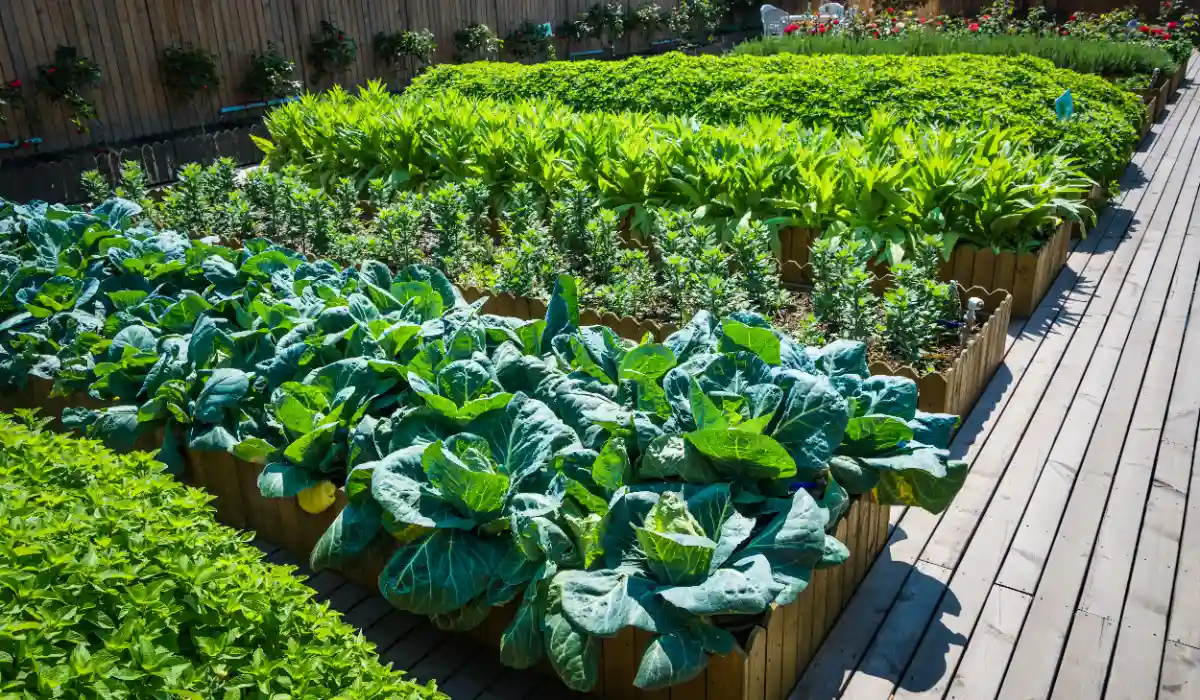
A sloped vegetable garden can look challenging at first, but it is actually one of the most productive ways to grow vegetables if designed correctly. Sloped land offers excellent drainage, better sun exposure, and creative opportunities for terracing and layered planting systems.
With the right structure and soil management, a sloped vegetable garden can produce healthier crops than flat gardens because water flows naturally and reduces the risk of waterlogging. This guide explains how to plan, build, and maintain a productive garden on uneven terrain.
Why Choose a Sloped Vegetable Garden?
A sloped vegetable garden is not just a workaround for uneven land—it can be a strategic advantage. Slopes allow natural water drainage, which helps prevent root rot and soil compaction.
In addition, slopes often receive more consistent sunlight exposure depending on orientation, which improves plant growth and yields.
Key Benefits
- Natural drainage reduces overwatering issues
- Better sunlight exposure for many crops
- Reduced risk of soil compaction
- Ideal for terracing and layered planting
- Efficient use of otherwise unused land
Challenges of a Sloped Vegetable Garden
While a sloped vegetable garden has advantages, it also comes with challenges that must be managed carefully. Without proper planning, soil erosion and water runoff can damage crops.
Heavy rainfall can wash away topsoil, while uneven water distribution can lead to dry or overly wet areas in the same garden.
Common Issues
- Soil erosion during rain
- Uneven water distribution
- Difficulty in irrigation setup
- Slippery or unstable planting areas
- Nutrient runoff loss
Best Design Methods for Sloped Vegetable Gardens
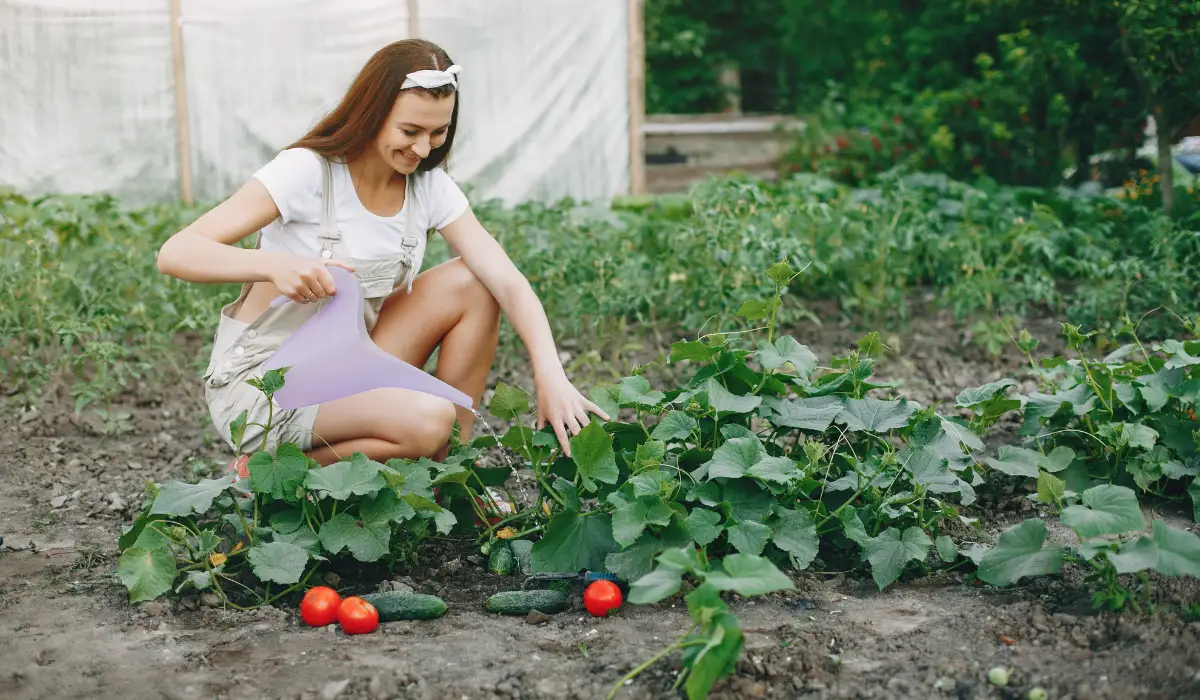
Designing a sloped vegetable garden requires structural planning. The goal is to slow water flow and keep soil in place while maximizing planting space.
1. Terracing the Slope
Terracing is one of the most effective methods. It involves creating flat steps along the slope to hold soil and plants.
Each terrace acts like a mini garden bed, preventing soil erosion and improving water retention.
2. Raised Garden Beds
Raised beds are another excellent option. They help control soil quality and create level planting areas even on uneven ground.
They are easier to maintain and allow better organization of crops.
3. Contour Planting
Contour planting follows the natural shape of the slope. Plants are arranged in curved lines to slow down water flow and reduce erosion.
This method works well for natural-style gardening.
Soil Preparation for Sloped Vegetable Garden
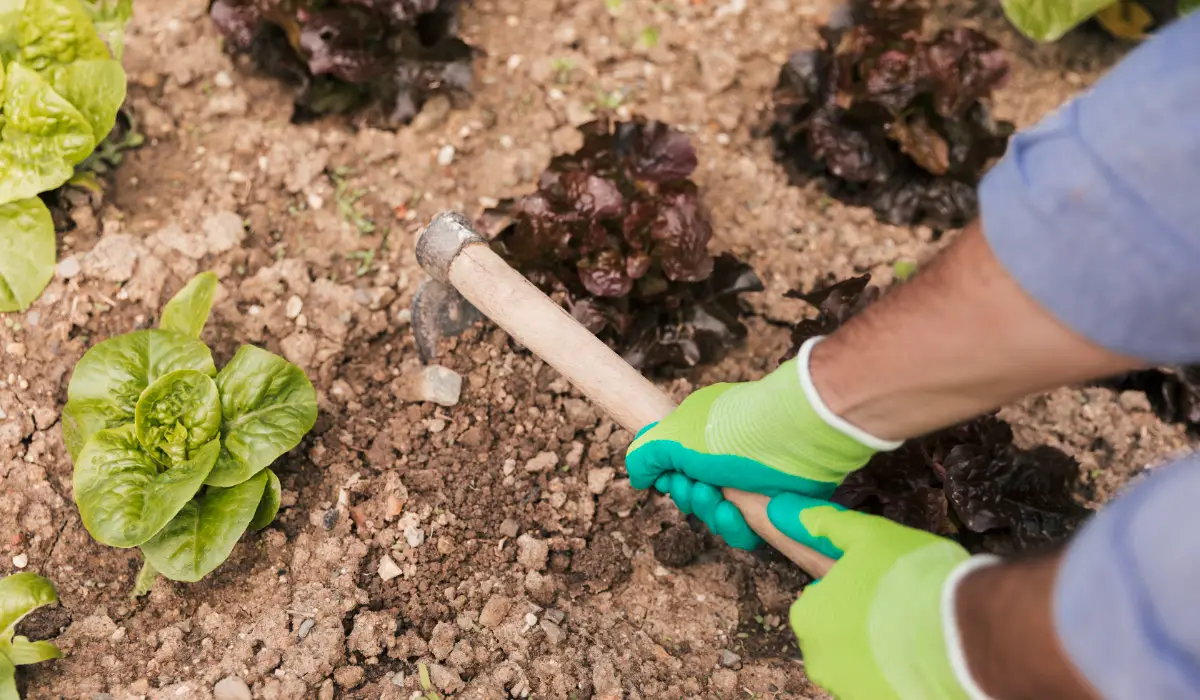
Soil stability is essential in a sloped vegetable garden. Loose soil is more likely to wash away, so strengthening it is a priority.
Soil Improvement Steps
- Add compost to improve soil structure
- Mix organic matter to increase water retention
- Use mulch to protect topsoil
- Avoid leaving soil bare during rainy seasons
- Install barriers or edging where needed
Good soil preparation ensures long-term garden productivity.
Best Vegetables for Sloped Gardens
Not all crops behave the same in a sloped vegetable garden. Choosing the right vegetables improves yield and reduces maintenance effort.
Recommended Crops
- Tomatoes
- Peppers
- Carrots
- Lettuce
- Spinach
- Beans
- Cucumbers
These crops adapt well to varying drainage and sunlight conditions.
Irrigation Tips for Sloped Vegetable Garden
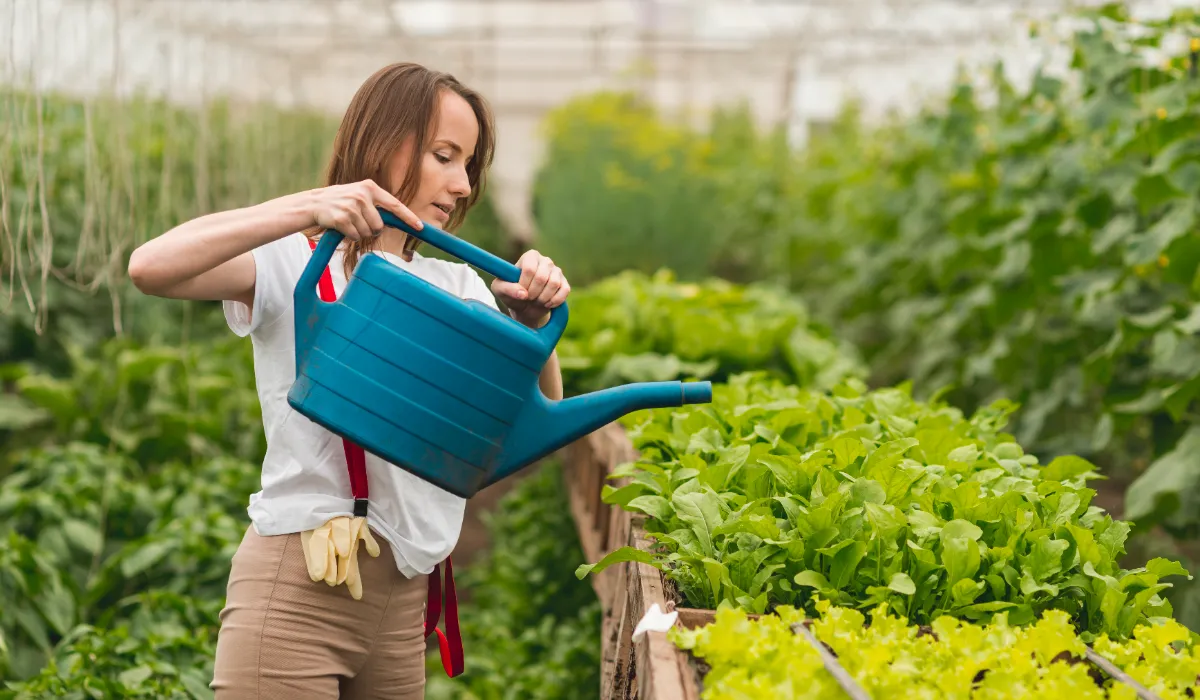
Water management is one of the most important parts of a sloped vegetable garden. Gravity causes water to flow downward quickly, so careful irrigation is needed.
Effective Irrigation Methods
- Drip irrigation systems for controlled watering
- Soaker hoses placed along terraces
- Watering from top to bottom evenly
- Installing small barriers to slow runoff
- Using mulch to retain moisture
These methods ensure consistent hydration across all planting levels.
Erosion Control Techniques
Preventing erosion is critical in a sloped vegetable garden. Without protection, valuable topsoil can be lost after heavy rain.
Effective Solutions
- Plant ground cover crops
- Use mulch or straw layers
- Build retaining walls
- Install stone or wood edging
- Grow deep-rooted plants for stability
These techniques help anchor the soil and protect your garden structure.
Maintenance Tips for Sloped Vegetable Garden
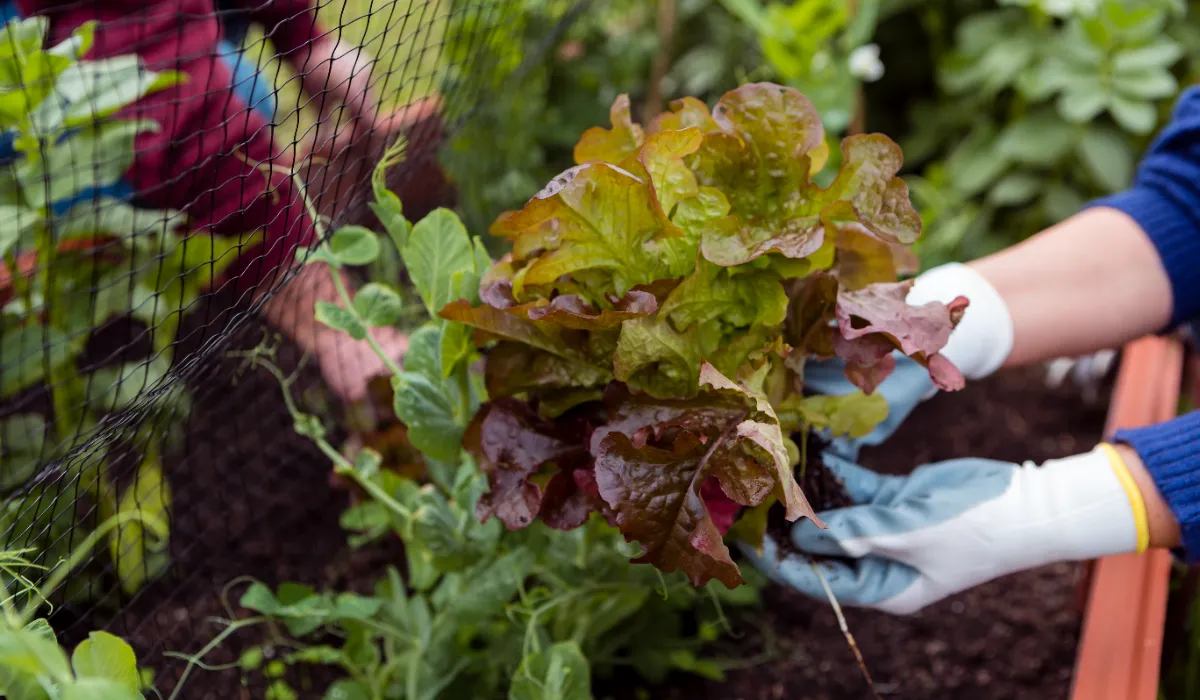
Regular maintenance keeps a sloped vegetable garden productive and stable throughout the growing season.
Maintenance Checklist
- Check for soil movement after rain
- Reapply mulch regularly
- Inspect irrigation systems
- Remove weeds frequently
- Add compost seasonally
- Strengthen weak terrace edges
Consistent care prevents long-term damage and improves yields.
Pros and Cons of Sloped Vegetable Garden
| ProsCons | |
| Excellent drainage | Risk of soil erosion |
| Better sunlight exposure | Requires structural work |
| Efficient land use | Harder irrigation setup |
| Can be highly productive | Higher initial setup effort |
Infographic-Style Summary
Slope → Terraces → Soil Prep → Plant Selection → Irrigation → Erosion Control → Maintenance → Harvest
This flow shows how a sloped vegetable garden develops into a productive growing system.
Frequently Asked Questions
Is a sloped vegetable garden good for beginners?
Yes, but it requires proper planning. Raised beds or simple terracing make it easier for beginners.
How do you stop soil erosion in a sloped garden?
Use mulch, terracing, ground cover plants, and retaining structures to hold soil in place.
What is the easiest method for a sloped vegetable garden?
Raised beds are the easiest and most beginner-friendly option.
Can vegetables grow well on slopes?
Yes, many vegetables grow better on slopes due to improved drainage and sunlight exposure.
Do sloped gardens need more water?
Not always, but they require controlled irrigation because water drains faster downhill.
Conclusion
A sloped vegetable garden can be highly productive when designed with proper structure and care. By using terracing, raised beds, and erosion control techniques, you can turn uneven land into a thriving vegetable-growing space. With the right planning, a sloped vegetable garden becomes not a limitation but a powerful advantage for healthy and abundant harvests.