
Garden Advice Homenumental: Guide to Meaningful and Sustainable Outdoor Space
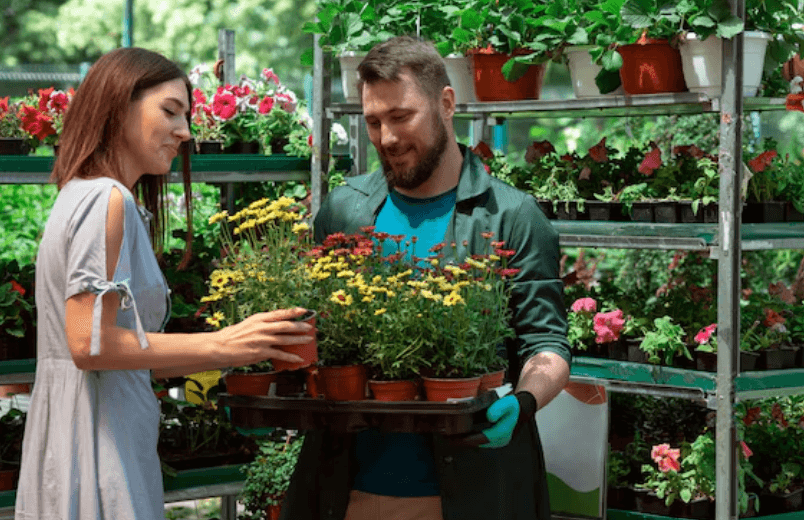
A beautiful garden is more than a collection of plants. It is an extension of your home, a place where design, nature, and daily life come together. The concept of garden advice homenumental focuses on creating outdoor spaces with purpose, structure, and long-term value rather than following short-lived landscaping trends.
Many homeowners spend money on flowers, shrubs, and decorative features only to find that their garden lacks cohesion. The problem is rarely the plants themselves. It is usually the absence of a clear plan. A homenumental garden starts with intention. Every pathway, planting bed, seating area, and focal point contributes to a larger vision.
Whether you have a compact backyard, a suburban lawn, or a spacious property, this guide will help you design a garden that remains attractive, functional, and sustainable for years to come.
What Is Garden Advice Homenumental?
The term garden advice homenumental combines the idea of home with something monumental and lasting. Instead of focusing solely on seasonal beauty, this approach emphasizes long-term structure, environmental balance, and personal meaning.
A homenumental garden is designed to:
- Reflect the homeowner's lifestyle
- Provide year-round visual appeal
- Support local wildlife and pollinators
- Reduce maintenance through smart planning
- Increase property value over time
Unlike traditional landscaping, which often prioritizes immediate appearance, a homenumental garden grows stronger and more beautiful with each passing season.
Why a Homenumental Garden Matters
Many gardens look impressive during peak blooming seasons but lose their appeal for the rest of the year. A homenumental design avoids this problem by focusing on permanent structure and layered interest.
Key Benefits
| Benefit | Impact |
| Improved curb appeal | Enhances the appearance of your property |
| Better functionality | Creates usable outdoor living areas |
| Increased home value | Attractive landscaping can boost resale appeal |
| Reduced maintenance | Smart planning minimizes ongoing work |
| Environmental benefits | Supports biodiversity and soil health |
A carefully planned outdoor space becomes an investment rather than an expense.
Start With Purpose Before Plants
One of the most important principles of garden advice homenumental is determining your garden's purpose before making any purchases.
Ask yourself:
How Will You Use the Space?
Relaxation and Wellness
A peaceful retreat may include shaded seating, fragrant flowers, and calming water features.
Family Gatherings
Outdoor dining areas, patios, and fire pits encourage social interaction.
Food Production
Raised beds, herb gardens, and fruit trees provide practical benefits.
Wildlife Support
Native plants and pollinator-friendly flowers attract beneficial insects and birds.
Defining your primary goal helps guide every design decision.
Assess Your Garden Environment
Before planting, understand the natural conditions of your property.
Sunlight Analysis
Track sunlight patterns throughout the day.
- Full Sun: 6+ hours
- Partial Sun: 3–6 hours
- Shade: Less than 3 hours
Matching plants to light conditions significantly improves success rates.
Soil Evaluation
Healthy soil forms the foundation of every successful garden.
Common soil types include:
| Soil Type | Characteristics |
| Clay | Holds water but drains slowly |
| Sandy | Drains quickly but loses nutrients |
| Loamy | Ideal balance of drainage and fertility |
A simple soil test can reveal pH levels and nutrient deficiencies.
Microclimate Mapping
Every yard contains unique environmental zones.
Factors include:
- Wind exposure
- Shade pockets
- Heat-retaining walls
- Moisture-rich low areas
Understanding these conditions helps with plant placement.
Design Principles That Transform Ordinary Gardens
Many homeowners skip design and go directly to planting. This often leads to a cluttered appearance.
Create Functional Zones
Divide the garden into distinct areas.
Examples include:
- Dining area
- Relaxation zone
- Vegetable garden
- Pollinator section
- Children's play space
Zoning improves organization and usability.
Use Visual Hierarchy
One content gap missing from most gardening guides is visual hierarchy.
Professional landscape designers create hierarchy by controlling:
Scale
Large features naturally attract attention.
Placement
Important elements should be visible from key viewpoints.
Contrast
Differences in color, texture, and height create visual interest.
This design principle helps even small gardens feel professionally designed.
Establish Strong Focal Points
Every successful homenumental garden needs a focal point.
Popular options include:
- Specimen trees
- Sculptures
- Water features
- Pergolas
- Decorative seating
A focal point provides structure and directs attention.
Building the Structural Framework
Plants change with the seasons, but structural elements provide consistency.
Hardscaping Essentials
Hardscaping includes permanent features such as:
- Patios
- Walkways
- Retaining walls
- Garden edging
- Pergolas
These elements create the "bones" of the garden.
Layering for Depth
Professional gardens follow a layered approach.
Upper Layer
Trees provide height and shade.
Middle Layer
Shrubs create structure.
Lower Layer
Perennials and ornamental grasses add texture.
Ground Layer
Groundcovers suppress weeds and reduce soil erosion.
This layered strategy creates visual richness throughout the year.
Smart Plant Selection Strategies
Plant selection is where garden advice homenumental becomes highly practical.
Prioritize Native Plants
Native plants offer several advantages:
- Lower water requirements
- Better pest resistance
- Support for local ecosystems
- Reduced maintenance
Focus on Foliage First
Flowers are temporary, but foliage remains visible much longer.
Combine:
- Broad leaves
- Fine textures
- Evergreen structure
- Seasonal color
This approach creates year-round appeal.
Avoid Overcrowding
One of the biggest mistakes homeowners make is planting too closely.
Always consider:
- Mature height
- Mature width
- Root spread
- Sunlight requirements
Proper spacing improves airflow and plant health.
Soil Health: The Hidden Secret of Great Gardens
No amount of design can compensate for poor soil.
Improve Soil Naturally
The best soil amendments include:
- Compost
- Leaf mold
- Aged manure
- Organic mulch
These materials improve:
- Water retention
- Nutrient availability
- Microbial activity
Encourage Beneficial Soil Life
Healthy gardens depend on:
- Earthworms
- Mycorrhizal fungi
- Beneficial bacteria
These organisms help plants absorb nutrients efficiently.
Water Management for Long-Term Success
Efficient watering is a cornerstone of garden advice homenumental.
Deep Watering vs. Frequent Watering
Deep watering encourages strong root development.
Shallow watering creates weak root systems that struggle during dry periods.
Modern Irrigation Solutions
Smart garden technology can reduce maintenance.
Drip Irrigation
Delivers water directly to plant roots.
Soil Moisture Sensors
Prevent overwatering.
Smart Controllers
Automatically adjust watering schedules based on weather conditions.
These systems improve efficiency while conserving water.
Sustainable Gardening Practices
A homenumental garden should work with nature rather than against it.
Composting
Kitchen scraps and yard waste can be transformed into nutrient-rich compost.
Rainwater Harvesting
Rain barrels reduce water consumption while lowering utility costs.
Natural Pest Management
Encourage beneficial insects such as:
- Ladybugs
- Lacewings
- Predatory beetles
These insects naturally control common garden pests.
Garden Wellness and Mental Health Benefits
One area largely overlooked by competing articles is the connection between gardening and wellness.
Research consistently shows that spending time in green spaces can:
- Reduce stress
- Improve concentration
- Support mental well-being
- Lower blood pressure
A thoughtfully designed garden becomes a personal sanctuary that supports both physical and emotional health.
Budget Planning for Every Homeowner
You do not need a massive budget to implement garden advice homenumental principles.
Small Budget ($200–$1,000)
- Mulch improvements
- Native plant additions
- Basic seating area
- Raised garden beds
Medium Budget ($1,000–$5,000)
- Pathways
- Irrigation upgrades
- Feature planting beds
- Decorative lighting
Large Budget ($5,000+)
- Pergolas
- Water features
- Professional hardscaping
- Outdoor kitchens
Starting small often leads to better long-term results.
Common Mistakes That Prevent Garden Success
Buying Plants Before Planning
Design should always come first.
Ignoring Mature Plant Size
Many gardens become overcrowded within a few years.
Overwatering
Too much water is often more harmful than too little.
Neglecting Soil Health
Healthy soil reduces many common gardening problems.
Chasing Trends
Focus on timeless design principles rather than temporary fashions.
Pros and Cons of the Homenumental Gardening Approach
| Pros | Cons |
| Long-term beauty | Requires upfront planning |
| Increased property value | Results take time |
| Lower maintenance over time | Initial setup may cost more |
| Better environmental impact | Patience is required |
| Stronger garden structure | Design mistakes can be harder to change later |
Seasonal Maintenance Roadmap
Spring
- Add compost
- Plant new perennials
- Refresh mulch
Summer
- Monitor irrigation
- Deadhead flowers
- Check for pests
Fall
- Plant trees and shrubs
- Clean garden beds
- Prepare compost piles
Winter
- Prune dormant plants
- Maintain tools
- Plan next season's improvements
Frequently Asked Questions
What does garden advice homenumental mean?
It refers to a gardening philosophy focused on creating meaningful, structured, and sustainable outdoor spaces that improve over time.
Can small gardens follow this approach?
Yes. The principles work exceptionally well in compact spaces because thoughtful design maximizes available room.
How often should soil be improved?
Adding compost once or twice per year is generally sufficient for most gardens.
Are native plants necessary?
While not mandatory, native plants typically require less maintenance and provide greater ecological benefits.
How long does it take to create a homenumental garden?
Most gardens show noticeable improvement within one growing season, but full maturity may take several years.
Does a homenumental garden increase property value?
A well-designed landscape can enhance curb appeal and potentially improve resale value.
Conclusion
Creating a meaningful outdoor space requires more than seasonal planting or decorative upgrades. The garden advice homenumental approach combines thoughtful design, soil health, sustainable practices, and long-term planning to create a landscape that remains beautiful and functional year after year.
By starting with a clear purpose, building strong structural foundations, selecting the right plants, and maintaining healthy soil, you can transform any outdoor area into a lasting extension of your home. Whether your goal is relaxation, entertainment, food production, or environmental stewardship, a homenumental garden provides a framework for success that grows stronger with every season.
This version is intentionally more comprehensive than the competing articles by adding the missing topics: visual hierarchy, wellness benefits, budget planning, smart garden technology, property value impact, and professional design concepts.