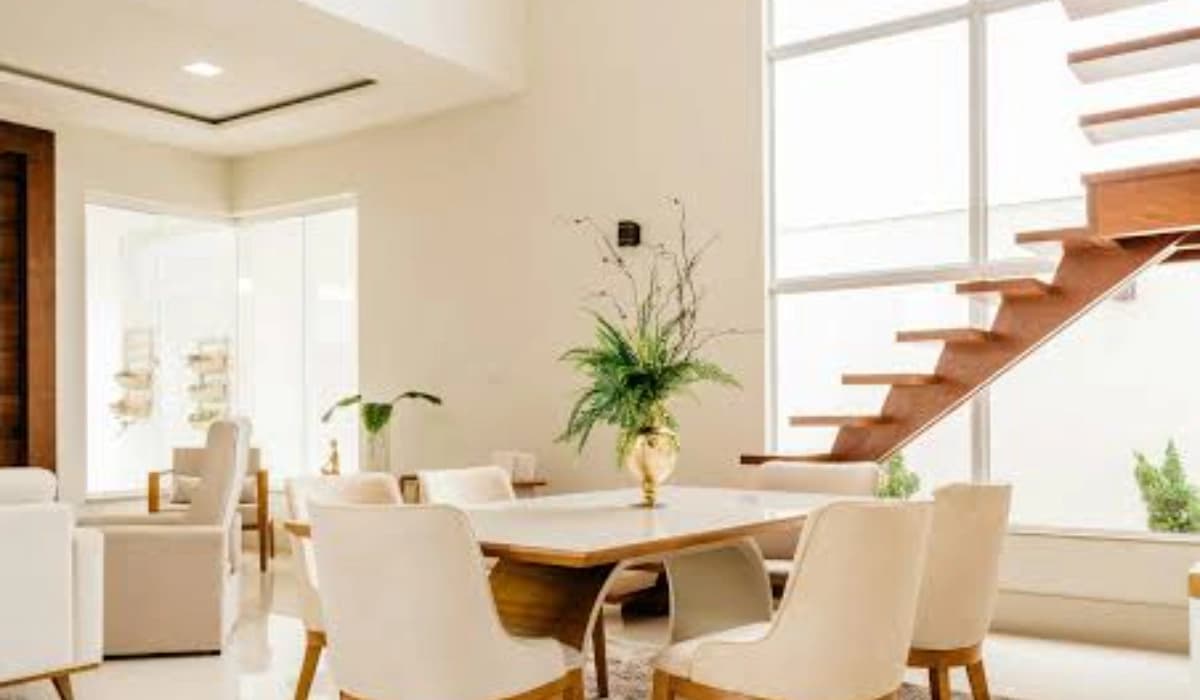
Interior Home Improvements Mintpalment: Smart Upgrades for a Better Home
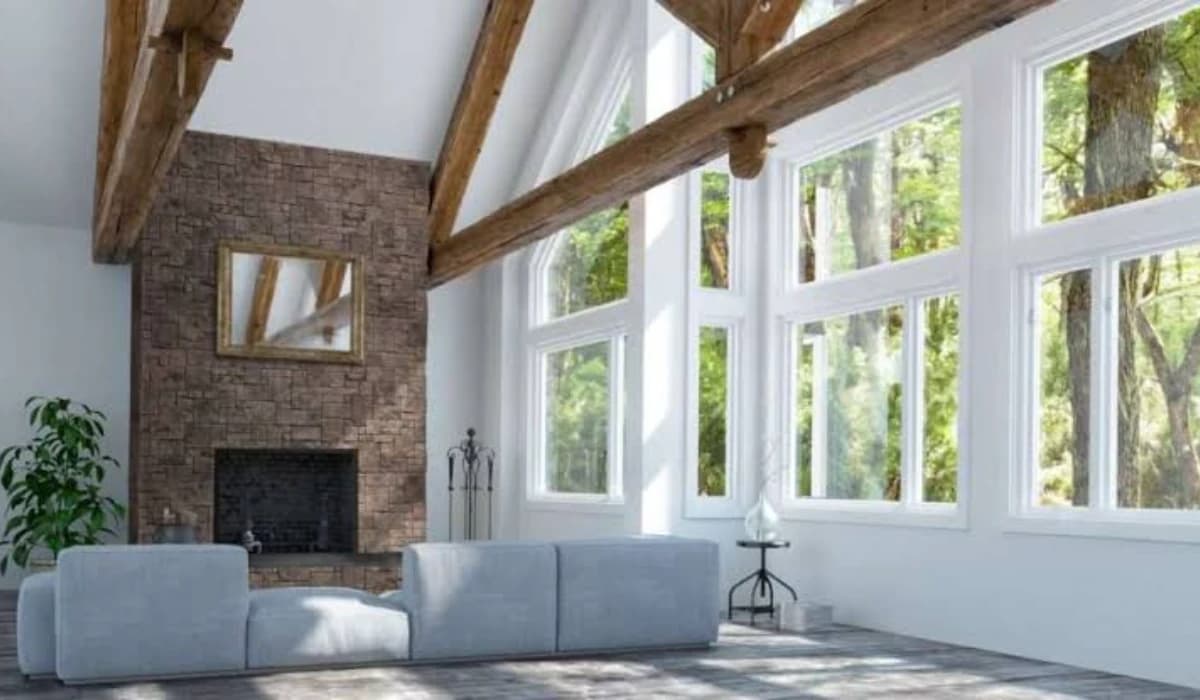
What Are Interior Home Improvements Mintpalment?
Interior home improvements mintpalment can be approached as a practical system for making indoor spaces more comfortable, functional, durable, and visually cohesive. Instead of treating renovation as a collection of decorative purchases, the better approach is to identify how a room is used and then improve the elements that affect everyday living.
This matters because a beautiful room can still be inconvenient if storage is inadequate, lighting creates glare, doors are poorly positioned, or materials cannot withstand normal use. The strongest improvements solve a functional problem while also giving the room a cleaner and more intentional appearance.
The current search landscape contains plenty of advice about lighting, flooring, hardware, wall treatments, storage, and décor. However, much of it stops at listing ideas rather than explaining which improvement should come first, why it matters, and what technical factors should be considered before installation.
That is where a more strategic approach becomes useful.
Start With a Room-by-Room Improvement Plan
Before buying materials, inspect every room and separate problems into three categories: function, condition, and appearance. This prevents a common renovation mistake spending money on cosmetic changes while ignoring an underlying issue.
For example, replacing a light fixture makes little sense if the electrical box needs repair. Similarly, installing expensive flooring over a damp subfloor can create a much larger problem later.
Create a simple priority list:
- Urgent: water damage, unsafe electrical work, structural problems, damaged flooring, or ventilation issues.
- Functional: inadequate storage, poor lighting, awkward furniture circulation, inefficient layouts, or insufficient work surfaces.
- Cosmetic: paint, decorative trim, hardware, curtains, accessories, and styling.
This order helps protect the renovation budget because essential problems are handled before decorative upgrades.
Measure Before You Purchase
Measurements should come before shopping. Record wall lengths, ceiling height, door swings, window locations, electrical outlets, plumbing connections, and the available clearance around furniture.
For built-ins and cabinetry, measure multiple points because walls and floors are rarely perfectly square. A difference of even a small amount can affect whether a cabinet, appliance, or shelving system fits correctly.
Improve Lighting Before Adding More Décor
Lighting is one of the most effective ways to change how an interior feels, but the solution is not simply adding brighter bulbs. A well-designed room combines ambient, task, and accent lighting so different activities can be supported without making the entire space excessively bright.
Ambient lighting provides general illumination. Task lighting concentrates light where work occurs, while accent lighting draws attention to artwork, shelving, architectural details, or other focal points.
Use the Correct Color Temperature
Light color affects the visual character of finishes. Warm-white lighting generally creates a relaxed atmosphere, while cooler light can provide a more energetic and work-oriented appearance.
Consistency is important. Using noticeably different color temperatures in adjacent areas can make the interior feel disconnected, particularly in open-plan homes.
Control Glare and Shadows
A technically good lighting plan also considers where shadows and reflections fall. In kitchens, under-cabinet lighting should illuminate the worktop rather than shine directly into the user's eyes.
Bathrooms benefit from lighting positioned near the face instead of relying exclusively on a ceiling fixture. In living areas, dimmers can provide flexibility between daytime activity and evening relaxation.
These details make interior home improvements mintpalment more useful because the goal is not merely to make a room look different it is to make it perform better.
Upgrade Walls With Purpose, Not Just Paint
Paint remains one of the simplest interior changes, but wall improvement does not have to stop at color. Trim, paneling, wallpaper, plaster effects, and carefully selected feature surfaces can introduce depth without requiring a complete renovation.
Before installing any wall treatment, check the wall condition. Cracks, moisture stains, loose plaster, or uneven surfaces should be addressed first.
Choose Architectural Details That Fit the Room
Picture-frame molding can add traditional character, while board-and-batten can provide a more structured appearance. Simple wall paneling can also protect areas exposed to frequent contact.
The key is proportion. Decorative trim should relate to the ceiling height, wall width, door casing, and overall architectural style.
Oversized detailing in a small room can make the space feel crowded. Extremely narrow trim on a large wall may have little visual impact.
Consider Texture and Acoustics
Wall treatments can also influence how a room sounds. Upholstered surfaces, textured materials, rugs, curtains, and strategically placed furnishings can reduce hard reflections in rooms dominated by tile, glass, or bare walls.
This is particularly useful in open-plan interiors where conversations, televisions, and kitchen activity can create excessive background noise.
Make Flooring a Long-Term Investment
Flooring affects appearance, comfort, maintenance, and durability, so it deserves more attention than simply choosing a color you like.
The correct material depends on the room. Areas exposed to moisture require different performance characteristics from bedrooms or formal living spaces.
Engineered wood can provide the appearance of timber while offering dimensional stability, while quality resilient flooring can be practical in areas where moisture and heavy traffic are concerns. Tile can be highly durable but may feel hard or cold without suitable rugs or heating.
Check the Subfloor First
A new floor cannot compensate for a poor base. Before installation, inspect the subfloor for unevenness, moisture, movement, or damage.
The manufacturer's installation requirements should determine whether an underlayment, moisture barrier, adhesive, expansion gap, or other preparation is necessary.
Ignoring preparation can lead to squeaking, movement, damaged joints, or premature failure. This is one reason professional assessment can be worthwhile for larger flooring projects.
Upgrade Kitchens Without Automatically Remodeling Everything
Kitchen renovations can become expensive quickly because several systems are connected: cabinetry, plumbing, electrical circuits, ventilation, appliances, work surfaces, and flooring.
A full replacement is not always necessary. A targeted kitchen refresh can sometimes address the most noticeable weaknesses while preserving components that are still functional.
Improve Storage Before Increasing Cabinet Quantity
Start by examining how existing cabinets are used. Deep shelves can create wasted space if smaller items disappear at the back.
Drawer organizers, pull-out shelves, vertical dividers, tray storage, and properly planned pantry zones can increase usable capacity without changing the cabinet footprint.
This approach is particularly useful in smaller kitchens where adding more cabinets could make the room feel cramped.
Choose Countertops Based on Use
Countertop selection should consider heat, staining, scratching, maintenance, and moisture not just appearance.
A material that looks attractive but requires demanding maintenance may be a poor choice for a busy household. Before selecting a surface, think about how frequently cooking occurs and how much maintenance the occupants are realistically willing to perform.
Improve the Kitchen Work Triangle
The relationship between the refrigerator, cooking surface, and sink influences movement through the kitchen. In a major remodel, these locations should be planned around the user's workflow rather than simply copying a fashionable layout.
Even without relocating appliances, removing unnecessary obstacles and improving storage near preparation areas can make cooking considerably easier.
Make Bathrooms More Functional and Moisture-Resistant
Bathrooms need a different improvement strategy because moisture is a constant concern. Attractive finishes are important, but ventilation, waterproofing, drainage, and material selection should come first.
Inspect caulking, grout, exhaust ventilation, plumbing connections, and areas around the shower or bathtub before investing in cosmetic improvements.
Improve Vanity and Mirror Lighting
A well-positioned mirror combined with suitable lighting can improve both appearance and functionality. Lighting should reduce harsh facial shadows and provide enough illumination for grooming tasks.
Storage also matters. A vanity with drawers can often provide more usable organization than a cabinet with one large open compartment.
Treat Ventilation as an Essential Upgrade
Persistent humidity can contribute to condensation, odors, and material deterioration. An appropriately sized exhaust fan and a practical ventilation routine can help protect the room over time.
This is an example of why interior home improvements mintpalment should combine design decisions with building performance rather than focusing entirely on decoration.
Create Storage That Works With Your Daily Routine
Storage is most effective when it is positioned where the stored item is actually used.
Entryway storage should accommodate shoes, bags, keys, and coats. Bedroom storage should reflect clothing habits, while kitchen storage should place frequently used cookware and ingredients within easy reach.
Use Vertical Space
Walls often provide unused storage potential. Floating shelves, tall cabinets, wall-mounted organizers, and built-in units can increase capacity without consuming much floor area.
However, open shelving should be used selectively. Too many exposed objects can create visual clutter and increase dusting requirements.
Consider Built-Ins Carefully
Built-in storage can make an interior look highly customized, but it should be planned around future needs. Adjustable shelves and modular components provide more flexibility than permanently fixed compartments.
For a growing household, adaptable storage can be more valuable than a perfectly fitted arrangement designed for today's belongings.
Upgrade Interior Doors and Hardware
Interior doors influence privacy, acoustics, circulation, and visual consistency. Replacing damaged or outdated doors can therefore have both practical and aesthetic benefits.
Solid or substantial doors can provide better acoustic separation than lightweight hollow-core alternatives, although the exact performance depends on construction and installation.
Coordinate Door Hardware
Door handles, cabinet pulls, hinges, and switch plates are small details, but inconsistent finishes can make a home feel visually fragmented.
Choose finishes that complement the existing fixtures rather than forcing every metal component to be identical. A restrained palette generally creates a more cohesive result.
Improve Windows for Comfort and Energy Performance
Window treatments should do more than decorate the room. They can influence privacy, glare, temperature, and daylight control.
Curtains, shades, blinds, and layered treatments each provide different benefits. The correct choice depends on window orientation, room use, privacy requirements, and desired daylight levels.
Avoid Blocking Useful Natural Light
A common mistake is selecting window treatments that cover too much glass when open. Mounting and sizing should be planned so that curtains can move clear of the glazing where possible.
For rooms with strong afternoon sun, adjustable shades can help control glare without permanently darkening the space.
Add Smart Home Features Where They Solve a Problem
Smart technology can be valuable when it addresses a specific need. Smart thermostats, lighting controls, sensors, and automated shades can improve convenience, but installing technology simply because it is fashionable may add unnecessary complexity.
Compatibility should be checked before purchasing. Consider the home's existing wiring, Wi-Fi reliability, control method, and whether the device can continue functioning if the internet connection fails.
The best technology is usually the technology occupants actually use.
Select Materials Based on Durability
One of the biggest gaps in typical renovation advice is insufficient attention to material performance. Two surfaces may look almost identical but behave very differently under moisture, heat, impact, cleaning chemicals, and everyday wear.
Before purchasing, ask:
- How much maintenance does the material require?
- Is it suitable for the room's moisture level?
- Can damaged sections be repaired or replaced?
- Does the manufacturer specify particular installation requirements?
- How will the finish look after several years of normal use?
These questions can prevent attractive but impractical choices.
Budget Interior Improvements in the Right Order
A renovation budget should not be divided equally between every room. Spend first on improvements that solve problems or protect the property.
A useful priority sequence is:
| Priority | Improvement Type | Main Benefit |
| 1 | Repairs and moisture control | Protects the property |
| 2 | Electrical, plumbing, and ventilation | Improves safety and performance |
| 3 | Layout and storage | Improves everyday functionality |
| 4 | Lighting and flooring | Improves comfort and appearance |
| 5 | Cabinetry and surfaces | Improves usability and style |
| 6 | Decorative details | Completes the design |
This approach also makes phased renovation easier. Instead of attempting every project simultaneously, homeowners can complete one category at a time.
DIY or Professional Installation?
Not every interior project requires a contractor. Painting, basic hardware replacement, simple shelving, and some decorative installations may be appropriate for capable DIY homeowners.
Projects involving structural changes, significant electrical work, plumbing alterations, gas systems, waterproofing, or major wall removal deserve greater caution.
Before beginning, check applicable local requirements and manufacturer instructions. Saving money on labor is not worthwhile if an incorrect installation creates a safety problem or causes expensive damage later.
Common Mistakes to Avoid
Even well-planned renovations can go wrong when homeowners focus too heavily on appearance.
Choosing Trends Over Compatibility
A popular style may not work with the home's architecture. Instead of copying an entire trend, select individual elements that complement the existing structure.
Buying Before Measuring
Furniture, cabinets, rugs, and appliances should never be purchased based on assumptions about available space. Measure first and verify dimensions against the manufacturer's specifications.
Ignoring Maintenance
A high-maintenance finish can become frustrating when installed across a large area. Consider cleaning frequency, repairability, and replacement cost before committing.
Renovating Without a Sequence
Doing flooring before painting, for example, can create unnecessary cleanup and damage. Establish the project order before work begins.
A Practical 30-Day Interior Upgrade Strategy
You do not need to renovate the entire house in one weekend. A staged approach makes improvements easier to manage.
Week 1: Inspect each room, record problems, measure key spaces, and establish a realistic budget.
Week 2: Complete small functional improvements such as hardware, storage organization, lighting controls, and minor repairs.
Week 3: Address one larger surface project, such as painting, flooring, or a carefully selected wall treatment.
Week 4: Finish with window treatments, accessories, artwork, plants, and other details that support the room's established design.
This sequence keeps the project focused and reduces the temptation to buy unnecessary items halfway through the renovation.
Pros and Cons of a Strategic Interior Upgrade Approach
| Pros | Cons |
| Reduces unnecessary spending | Requires planning before shopping |
| Prioritizes functionality | Larger projects may take longer |
| Makes phased renovation easier | Some technical work needs professionals |
| Improves long-term durability | Quality materials can cost more initially |
| Creates better visual consistency | Design decisions require coordination |
How to Make Interior Improvements Feel Cohesive
A cohesive interior does not mean every room must look identical. Instead, repeat selected elements such as flooring tones, hardware finishes, wood characteristics, or complementary colors.
Furniture scale should also remain appropriate to the room. A large sectional can overwhelm a small living room, while undersized furniture can make a large space feel unfinished.
Balance is more important than filling every empty area.
Final Checklist Before Starting a Project
Before beginning your next interior home improvements mintpalment project, review the following:
- Identify the problem you are trying to solve.
- Measure the space accurately.
- Establish a maximum budget.
- Check existing electrical, plumbing, and moisture conditions.
- Research material durability.
- Compare installation requirements.
- Decide what can be completed safely as DIY.
- Plan the order of work.
- Keep a contingency amount for unexpected problems.
- Avoid buying decorative items before the functional work is complete.
This checklist can turn an uncertain renovation into a controlled project.
FAQs About Interior Home Improvements Mintpalment
What should I improve first inside my home?
Start with safety, moisture, electrical, plumbing, ventilation, and other condition-related problems. Once those are addressed, prioritize layout, storage, lighting, flooring, and then decorative improvements.
Are expensive materials always better?
No. The best material is one that matches the room's demands, maintenance expectations, budget, and installation conditions. A moderately priced material that performs well can be a better investment than an expensive surface that requires excessive care.
What interior improvement gives the biggest visual change?
Lighting, flooring, wall finishes, and furniture arrangement can dramatically change how a room looks. However, the biggest improvement depends on what is currently wrong with the space.
Can I complete interior improvements without a contractor?
Some projects are suitable for DIY, including painting, basic hardware changes, simple shelving, and certain decorative work. Electrical, plumbing, structural, waterproofing, and other specialized work should be approached according to local requirements and professional guidance.
How can I improve my home on a limited budget?
Concentrate on high-impact functional changes. Improve lighting, repair damaged surfaces, reorganize storage, replace worn hardware, update selected wall areas, and make the furniture layout work better before spending heavily on decorative products.
Conclusion
The most successful interior home improvements mintpalment projects are not defined by how much money is spent. They are defined by how intelligently each change responds to the way the home is actually used. Better lighting, efficient storage, durable materials, appropriate flooring, improved ventilation, practical layouts, and carefully selected finishes can collectively create a home that feels more comfortable and intentional.
Instead of attempting a complete transformation at once, identify the problems that affect daily life most and solve them in the correct order. When function comes first and aesthetics are layered on afterward, the result is more likely to remain useful, attractive, and satisfying for years rather than becoming another short-lived renovation trend.