
Mini Rex Rabbit: Care, Size, Diet & Temperament
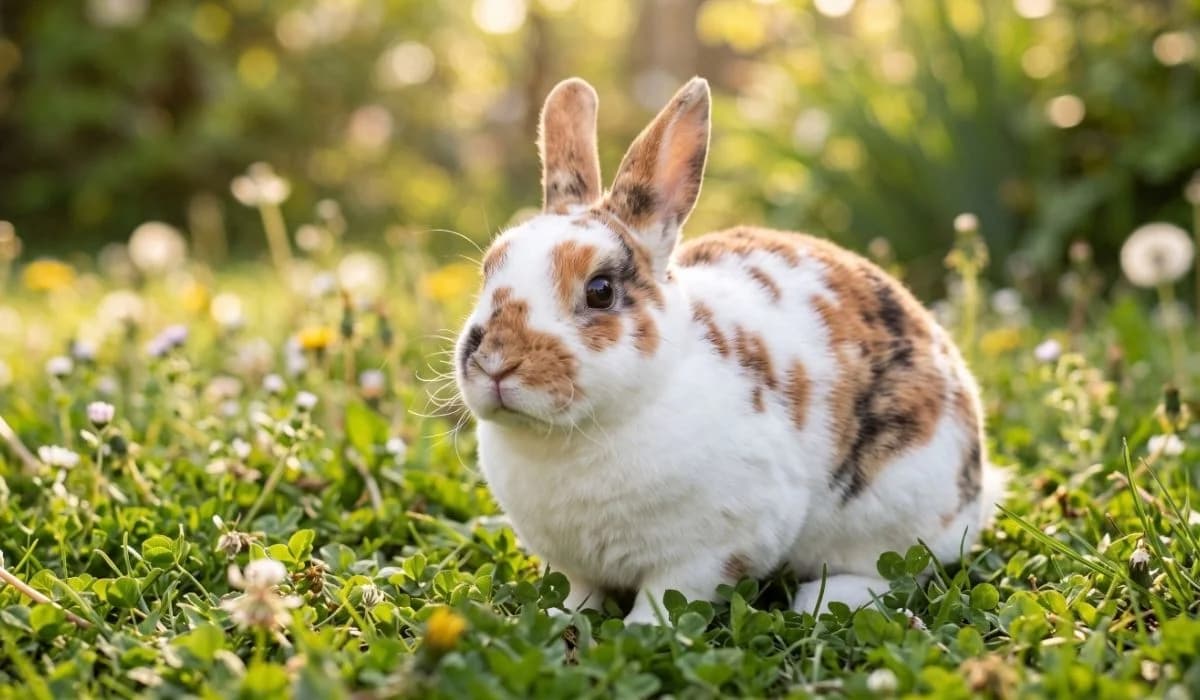
Mini Rex Rabbit: Complete Guide to Care, Size, Diet, Temperament & More
The Mini Rex rabbit is one of the most recognizable small rabbit breeds, best known for its compact body, friendly personality, and exceptionally soft, plush coat. Although it is small enough to fit comfortably into many homes, a Mini Rex is not a low-maintenance “cage pet.” Like all rabbits, it needs proper nutrition, daily exercise, mental stimulation, safe housing, and regular veterinary care.
The breed was developed in the United States in the 1980s and was officially recognized by the American Rabbit Breeders Association (ARBA) in 1988. Today, Mini Rex rabbits are popular as companion animals and show rabbits, with many colors and patterns available. ARBA lists the breed's maximum senior weight at 4.5 pounds.
If you are thinking about bringing one home, this guide explains everything important to know about Mini Rex rabbits, including their size, temperament, lifespan, diet, grooming, housing, exercise, health, and how to choose one responsibly.
What Is a Mini Rex Rabbit?
A Mini Rex is the smaller counterpart of the standard Rex rabbit. The defining feature of the breed is its distinctive coat. Instead of having longer guard hairs that extend noticeably beyond the undercoat, the Mini Rex has a dense, short coat that feels remarkably soft and velvety.
The breed has a rounded, compact appearance and comes in numerous recognized colors and patterns. Adult Mini Rex rabbits generally remain under five pounds, making them considerably smaller than standard Rex rabbits. The Spruce Pets gives an average adult size of around 3.5 to 4.5 pounds and approximately 10 to 12 inches in length.
Despite their small size, Mini Rex rabbits are active animals. They need room to stretch, hop, explore, dig, chew, and play.
Quick Mini Rex Rabbit Facts
| Feature | Typical Information |
| Breed type | Small domestic rabbit |
| Adult weight | Up to about 4.5 pounds |
| Body | Compact and rounded |
| Coat | Short, dense, plush and velvety |
| Lifespan | Commonly around 7–10 years with good care |
| Temperament | Often calm, curious and social |
| Main diet | Unlimited grass hay, fresh greens and appropriate pellets |
| Exercise | Daily free-roam/play time |
| Grooming | Relatively low maintenance |
| Common uses | Companion and show rabbit |
Individual rabbits can differ considerably, so breed characteristics should be treated as general tendencies rather than guarantees.
Mini Rex Rabbit Appearance and Colors
The Mini Rex has a compact body, rounded shape and short, plush fur. Its coat is probably the feature that attracts most first-time owners. When healthy, the fur has a soft texture that is quite different from the longer coats seen in breeds such as Angoras.
Another appealing characteristic is the wide range of colors and patterns. Depending on the recognized variety and breeding program, Mini Rex rabbits may be seen in colors and patterns such as black, blue, lilac, opal, Himalayan, broken patterns and others. For prospective owners, color should not be the only consideration. Health, socialization, body condition, temperament, and the quality of care provided by the breeder or rescue are much more important when choosing a companion rabbit.
Mini Rex Rabbit Temperament
Mini Rex rabbits are generally calm, curious, friendly, and social, but each rabbit has its own personality. Some quickly bond with people, while others may need time to feel comfortable.
They communicate mainly through body language. Thumping, chewing, digging, and hiding are normal behaviors that can indicate emotions, natural instincts, or a need for more enrichment.
Do Mini Rex Rabbits Like Being Held?
Not necessarily.
This is one of the most important things new owners should understand. A rabbit may enjoy sitting beside you, being gently petted, or interacting on the floor without enjoying being picked up.
Because rabbits are prey animals, being lifted off the ground can make them feel vulnerable. Children should therefore be taught to interact with a rabbit calmly and gently rather than chasing, grabbing or carrying it around.
A Mini Rex can become very affectionate with a trusted person, but affection does not always mean enjoying physical restraint.
Are Mini Rex Rabbits Good Pets for Children?
They can be a good choice for families with older, responsible children who understand how to handle a rabbit appropriately.
Their small size and generally gentle nature can make them appealing family pets. However, their small bodies are also delicate. Young children should never be left unsupervised with a rabbit.
Instead of allowing a child to pick up the rabbit, encourage floor-level interaction. Sitting quietly and allowing the rabbit to approach naturally is usually a much better way to build trust.
The Spruce Pets similarly notes that Mini Rex rabbits may suit older children who can interact with them calmly and gently.
Mini Rex Rabbit Housing Requirements
One of the biggest mistakes new rabbit owners make is assuming that a small rabbit needs only a small cage.
A Mini Rex may be small, but it still needs opportunities to move naturally. Its living area should allow it to stand comfortably, stretch out, turn around and move without constantly hitting the sides.
ARBA's rabbit-care recommendations emphasize that housing should provide adequate space according to the rabbit's size and allow normal species-appropriate behavior. For rabbits under 4.4 pounds, its guidance lists 1.5 square feet as a minimum cage-space requirement under that specific care framework, while also emphasizing appropriate housing and enrichment.
For a companion rabbit, however, think beyond the minimum cage footprint. A larger exercise pen or rabbit-proofed room can provide much better opportunities for movement.
What Should a Mini Rex Habitat Include?
A suitable setup should include:
- A comfortable, nonslip floor
- A litter box
- Unlimited access to hay
- Fresh water
- Food and water dishes
- Safe chew toys
- Hiding or resting areas
- Tunnels or enrichment items
- Enough room for daily movement
Wire flooring should generally be avoided because it can injure a rabbit's feet. The enclosure should also be protected from direct sunlight, extreme temperatures, drafts and household hazards.
If your rabbit spends time outside its enclosure, rabbit-proof the area carefully. Electrical wires, toxic plants, small gaps and other chewable objects can become serious hazards.
What Do Mini Rex Rabbits Eat?
Diet is one of the most important parts of Mini Rex rabbit care.
The foundation of a healthy adult rabbit's diet should be high-quality grass hay available at all times. Timothy and oat hay are commonly used examples. Hay provides fiber and encourages normal chewing, which is especially important because rabbit teeth continue growing throughout life.
Fresh leafy greens can complement hay, while high-quality rabbit pellets should generally be offered in controlled quantities rather than making up the majority of the diet.
Fresh water should always be available.
A Simple Mini Rex Feeding Approach
Think of the diet in this order:
- Unlimited grass hay
- Fresh, rabbit-safe leafy greens
- A measured amount of appropriate pellets
- Treats only occasionally and in small quantities
- Fresh, clean drinking water at all times
Avoid turning sweet fruits, carrots or commercial treats into everyday staples. Excessive calorie intake can contribute to obesity and digestive problems. Pellet quantities should be appropriate for the rabbit's age, size, health and activity level, so a rabbit-savvy veterinarian can provide individualized guidance.
Exercise and Enrichment
Mini Rex rabbits need daily exercise even though they are small.
A rabbit that spends most of its life confined to a small enclosure can become overweight, bored or frustrated. Regular movement also gives the rabbit opportunities to express normal behaviors such as hopping, exploring, digging and chewing.
The Spruce Pets recommends at least four hours outside the enclosure each day for exercise, play and exploration.
You do not need expensive equipment to keep a Mini Rex entertained. Simple enrichment can include:
- Cardboard tunnels
- Untreated wooden chew toys
- Hay-filled toys
- Paper-based digging activities
- Food puzzles
- Safe hiding boxes
- Supervised exploration
Rotate toys periodically so the environment stays interesting.
Grooming a Mini Rex Rabbit
One advantage of the Mini Rex coat is that it does not require the intensive grooming associated with long-haired rabbit breeds.
Nevertheless, grooming should not be ignored.
A gentle brush can help remove loose fur, particularly during shedding periods. Because rabbit skin is delicate, avoid aggressive brushing or pulling. Nail trimming is also necessary when the nails become too long.
Regular grooming sessions provide another benefit: they allow you to notice changes in the rabbit's skin, coat, ears, eyes or body condition before a problem becomes more serious.
Unlike some long-haired breeds, the Mini Rex does not need frequent extensive coat maintenance.
Mini Rex Rabbit Lifespan
A well-cared-for Mini Rex can live for several years, with commonly cited estimates falling around 7 to 10 years. Some individual rabbits may live outside that range depending on genetics, nutrition, housing, veterinary care and overall lifestyle.
This means adopting a Mini Rex should be viewed as a long-term commitment rather than a short-term pet project.
Before getting one, consider whether you can consistently provide appropriate food, housing, enrichment and veterinary care throughout its life.
Common Mini Rex Rabbit Health Problems
Mini Rex rabbits can experience many of the same health problems as other domestic rabbits. Some common concerns include:
Dental Problems
Rabbit teeth grow continuously, so unlimited hay and safe chewing materials are important. Dental issues can make eating difficult and may require veterinary treatment.
Digestive Problems
Digestive disorders can occur when a rabbit does not get enough fiber or experiences an unsuitable diet. Changes in appetite or droppings should be taken seriously.
Respiratory Illness
Sneezing, nasal discharge, breathing difficulties, or unusual respiratory sounds may indicate illness and should be checked by a rabbit-experienced veterinarian.
Parasites
Rabbits can develop external or internal parasites that may cause itching, hair loss, digestive problems, or other symptoms. Regular health checks can help detect these issues early.
Skin and Coat Problems
Skin irritation, hair loss, sores, or unusual changes in the coat can have several causes, including parasites or infections, and may need veterinary attention.
Eye Problems
Watery eyes, discharge, redness, swelling, or changes in the appearance of the eyes should not be ignored, as they can indicate an underlying problem.
Foot Problems
Mini Rex rabbits need safe, comfortable flooring. Rough or unsuitable surfaces can contribute to sore or injured feet.
Obesity
Too many pellets, treats, or insufficient exercise can cause weight gain. A balanced diet and daily activity help maintain a healthy body condition.
When to Contact a Veterinarian
Changes in appetite, droppings, activity, breathing, posture, or behavior can signal illness. If a rabbit stops eating or develops unusual symptoms, contact a rabbit-experienced veterinarian promptly.
How Much Does a Mini Rex Rabbit Cost?
The purchase price of a Mini Rex varies considerably by location, breeder, age, color, pedigree and whether the rabbit is being sold as a pet or for exhibition.
Older published sources have reported prices ranging from relatively inexpensive pet rabbits to more than $100 for higher-quality show animals, but those figures can vary significantly by market and should not be treated as a current universal price.
The initial purchase price is only one part of ownership.
You should also budget for:
- Hay
- Pellets
- Fresh greens
- Litter
- Housing
- Toys
- Grooming supplies
- Routine veterinary care
- Emergency veterinary expenses
A rabbit that appears inexpensive to purchase can still require a meaningful long-term care budget.
How to Choose a Healthy Mini Rex Rabbit
When choosing a Mini Rex rabbit, focus on overall health and behavior rather than color alone. A healthy rabbit should generally have:
- Clear, bright eyes
- Clean nose and ears
- Healthy coat and body condition
- Clean rear end
- Normal movement, appetite, and behavior
Ask about the rabbit’s age, diet, medical history, living conditions, and disease-prevention practices. If buying from a breeder, ask about the parents, lineage, health, and socialization. Adoption is also a good option, especially with adult rabbits whose personalities are easier to assess.
Mini Rex Rabbit: Pros and Cons
Mini Rex rabbits are popular for their small size, plush coat, and generally friendly nature. However, they also need proper care, exercise, and a suitable diet.
Pros
- Soft, plush coat: Their short fur feels velvety and is relatively easy to maintain.
- Friendly personality: Many Mini Rex rabbits are social, curious, and affectionate.
- Small size: Their compact body can make them suitable for indoor living.
- Playful and curious: They enjoy exploring, playing, and interacting with their owners.
- Many colors: Mini Rex rabbits come in a wide variety of colors and patterns.
Cons
- Sensitive to rough handling: They need gentle handling and should not be grabbed or chased.
- Need daily exercise: A small size does not mean they can stay in a small cage all day.
- Health care is important: Dental, digestive, and other health problems can occur.
- Need a proper diet: Unlimited hay, fresh water, suitable greens, and controlled pellets are essential.
- Require regular care: Their enclosure, litter area, nails, diet, and overall health need consistent attention.
Is a Mini Rex Rabbit Right for You?
A Mini Rex can be a wonderful companion for someone who wants a small rabbit with a distinctive coat and generally sociable personality. But the decision should be based on lifestyle rather than appearance alone.
Ask yourself:
Can I provide daily exercise?
Can I rabbit-proof my home?
Can I afford quality food and veterinary care?
Do I have access to a rabbit-savvy veterinarian?
Can I respect a rabbit's boundaries instead of expecting it to enjoy being carried?
Am I prepared for a commitment that may last many years?
If the answer is yes, a Mini Rex may fit well into your household.
Conclusion
The Mini Rex rabbit combines a small, compact body with one of the breed's most memorable features: its plush, velvety coat. Its generally calm and curious personality also makes it appealing as a companion animal.
But the best Mini Rex care goes beyond providing a cage, food and occasional attention. A healthy rabbit needs unlimited hay, suitable housing, daily exercise, enrichment, gentle handling, routine grooming and access to appropriate veterinary care.
If you choose a Mini Rex, focus on the individual rabbit's health and personality rather than color or appearance alone. With the right environment and responsible care, this small rabbit can become a rewarding long-term companion.
FAQs
How long do Mini Rex rabbits live?
They commonly live around 7–10 years with proper care and nutrition.
Do Mini Rex rabbits need another rabbit?
They can live alone with proper attention, but rabbits are social and may benefit from a compatible companion.
Do Mini Rex rabbits like to be held?
Many prefer staying on the ground and may not enjoy being picked up, so gentle handling is best.
Are Mini Rex rabbits easy to groom?
Yes. Their short coat needs minimal grooming, with regular brushing and nail trimming.
Can Mini Rex rabbits be litter trained?
Yes, Mini Rex rabbits can usually be litter trained with consistent placement and positive reinforcement.