Italian Living Room Ideas for a Timeless Luxury Look
An italian living room is more than a beautifully decorated space. It combines elegance, comfort, functionality, and timeless design to create a room that feels sophisticated yet welcoming. Inspired by Italy's rich architectural heritage and world-renowned craftsmanship, this design style balances luxury with everyday living.
Whether you prefer a modern aesthetic or classic European charm, an italian living room can transform your home into a refined retreat. From premium materials and statement lighting to carefully selected furniture and harmonious color palettes, every detail contributes to an inviting atmosphere that reflects Italian interior design principles.
What Defines an Italian Living Room?

The hallmark of an italian living room is its ability to blend beauty with practicality. Italian interiors focus on creating spaces that encourage relaxation, conversation, and family gatherings while maintaining a polished appearance.
Unlike overly minimalist styles that can feel cold, Italian design embraces warmth through textures, natural materials, and thoughtfully curated furnishings. The result is a room that feels luxurious without appearing excessive.
Traditional vs Modern Italian Living Room Design
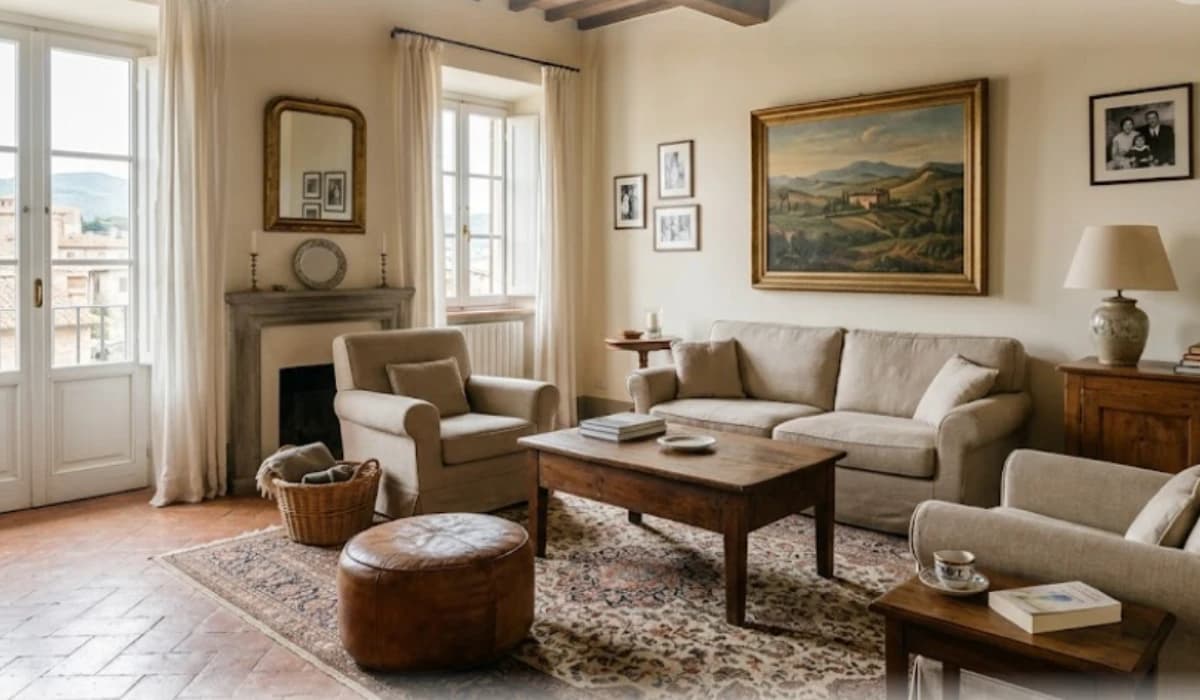
Traditional Italian interiors often feature ornate details, rich wood finishes, decorative moldings, and warm earthy colors. These spaces celebrate craftsmanship and historical influences.
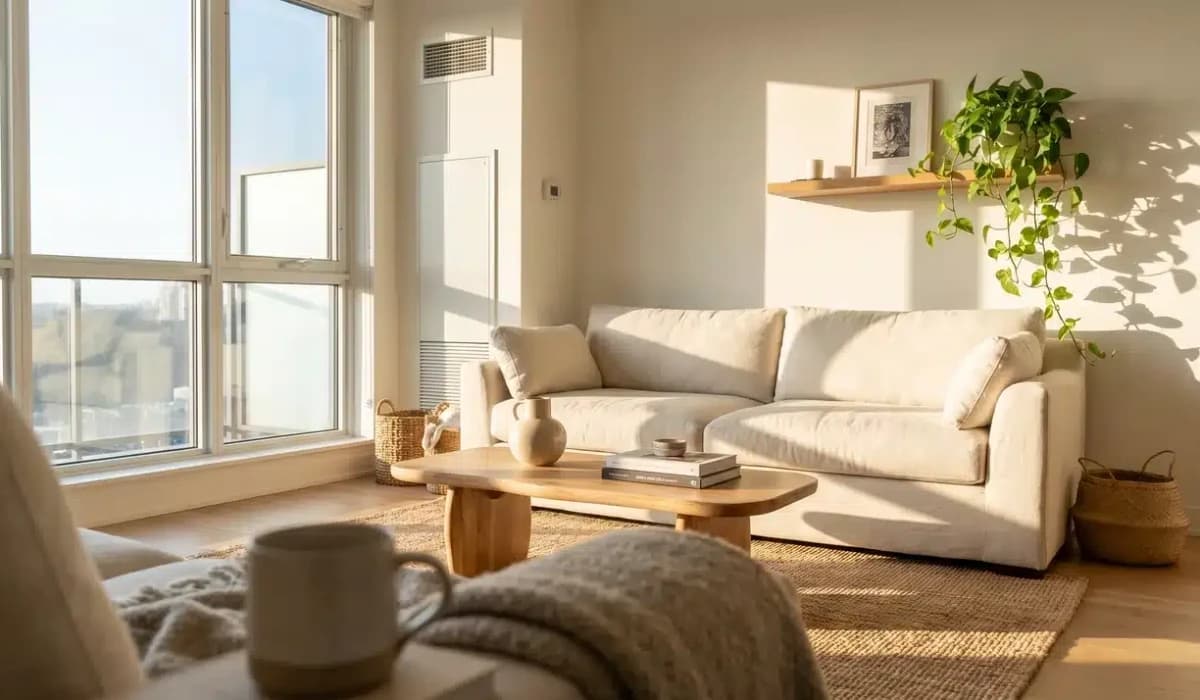
Modern Italian living room design simplifies those elements by introducing cleaner lines, open layouts, neutral palettes, and contemporary furniture. While the look becomes more streamlined, it still preserves the sophistication that defines Italian style.
Key Elements of an Italian Living Room
Creating an authentic Italian-inspired living room requires careful attention to several design components that work together harmoniously.
Luxury Furniture Selection
Furniture serves as the foundation of any italian living room. Pieces should prioritize both comfort and visual appeal. Large sofas with sleek profiles, elegant armchairs, and refined coffee tables are common features.
Italian furniture often emphasizes quality construction and premium materials. Rather than overcrowding the room, focus on fewer but more impactful pieces.
Premium Materials and Finishes
Italian interiors frequently incorporate luxurious materials that add depth and character.
Popular choices include:
- Marble
- Natural wood
- Glass
- Leather
- Velvet
- Brushed metal accents
These materials create a layered appearance while enhancing the overall sense of quality.
Balanced Color Schemes
Color plays a significant role in achieving a cohesive italian living room. Neutral shades typically dominate the space, allowing textures and furnishings to become focal points.
Common base colors include beige, ivory, taupe, warm gray, and soft white. Accent colors are introduced strategically to create visual interest without overwhelming the room.
Statement Lighting Features
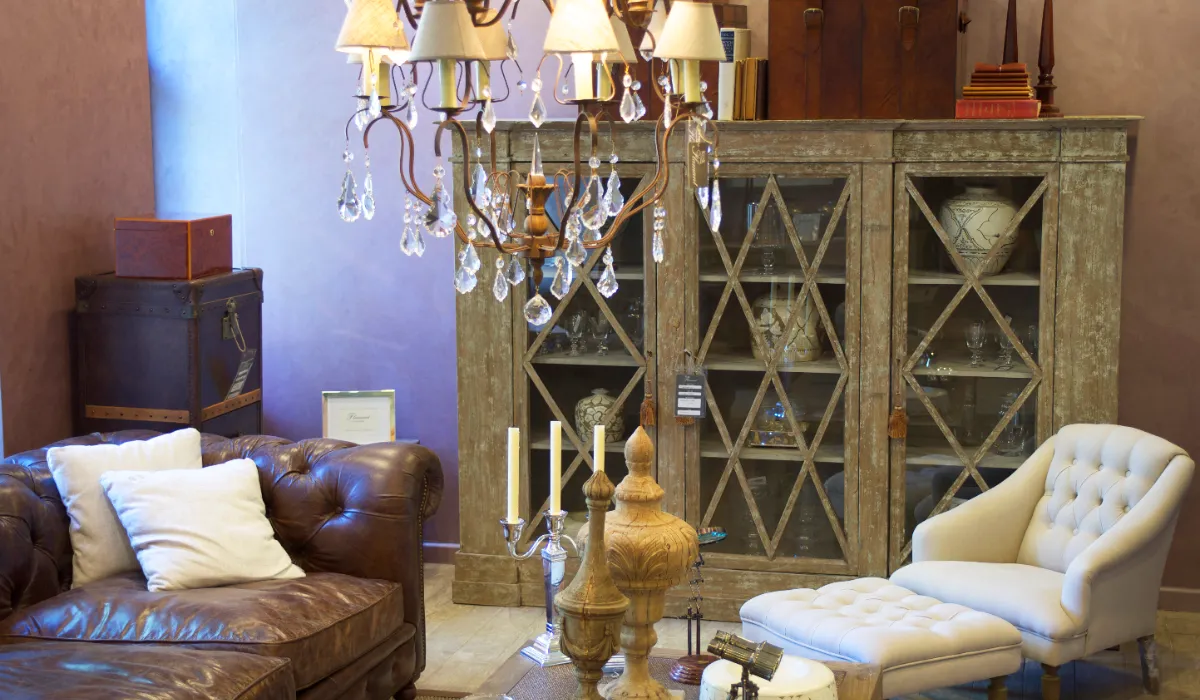
Lighting is treated as both a functional necessity and a decorative element. Italian interiors often feature sculptural chandeliers, designer floor lamps, and elegant wall sconces that enhance the ambiance.
Proper lighting adds depth to the room and highlights architectural details that might otherwise go unnoticed.
Best Color Palettes for an Italian Living Room

Choosing the right color palette establishes the mood and personality of the space.
Neutral and Earthy Tones
Neutral palettes remain the most popular choice for an italian living room because they create a calm and sophisticated backdrop.
Popular combinations include:
| Base Color | Complementary Shade | Effect |
| Ivory | Warm Beige | Bright and welcoming |
| Taupe | Soft Gray | Contemporary elegance |
| Cream | Natural Wood | Timeless warmth |
| White | Marble Accents | Luxurious simplicity |
Jewel-Tone Accent Colors
Italian interiors often incorporate rich accent colors inspired by precious gemstones.
Examples include:
- Emerald green
- Sapphire blue
- Ruby red
- Deep burgundy
These shades can appear in cushions, artwork, rugs, or statement seating.
Metallic Touches for Luxury
Gold, bronze, chrome, and brushed brass finishes contribute subtle glamour. Used sparingly, metallic accents elevate the overall aesthetic without appearing flashy.
Italian Living Room Furniture Guide
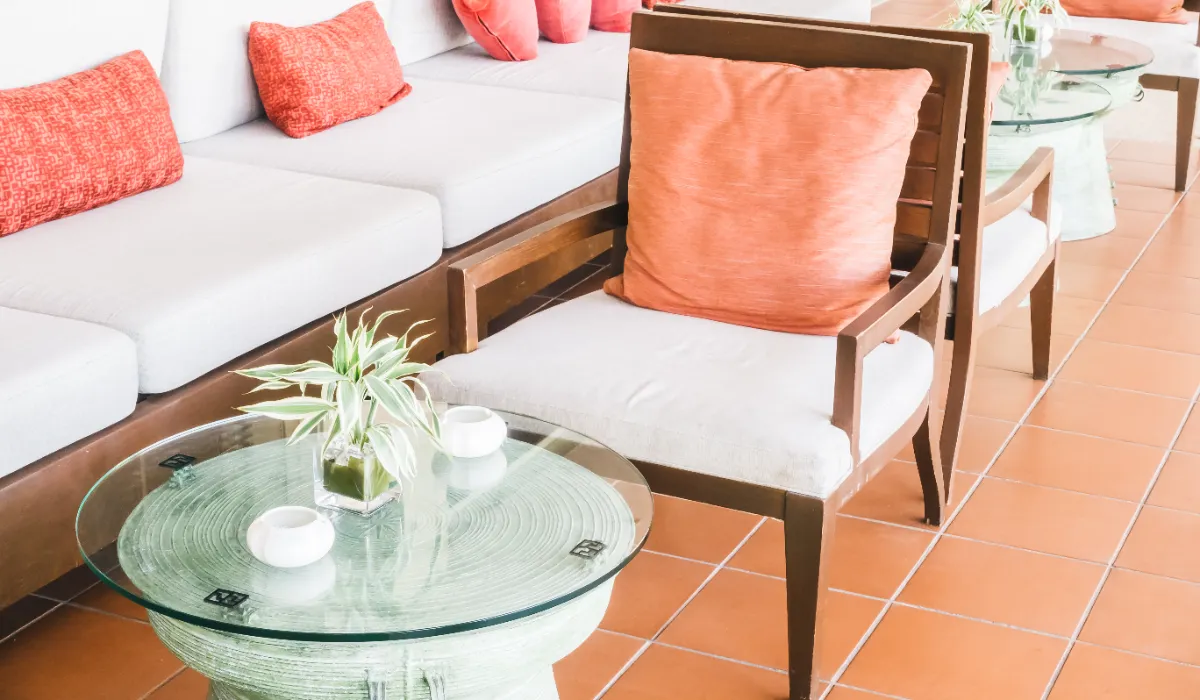
Selecting the right furniture is essential when designing an italian living room that feels balanced and functional.
Sofas and Sectionals
A sofa typically acts as the centerpiece of the room. Modern Italian sofas feature clean silhouettes, premium upholstery, and exceptional comfort.
Large sectionals work particularly well in open-concept spaces, while compact sofas suit smaller rooms without sacrificing elegance.
Armchairs and Accent Seating
Accent chairs introduce personality and additional seating. Leather, velvet, and textured fabrics are common choices that complement the main sofa.
Curved designs are increasingly popular because they soften the room's appearance while maintaining a contemporary feel.
Coffee Tables and Side Tables
Italian coffee tables often showcase premium materials such as marble, glass, and wood. Their designs tend to be simple yet visually striking.
Nested tables and sculptural bases can add a distinctive architectural element to the room.
Wall Units and Storage Solutions
Modern storage solutions help maintain a clean and organized appearance. Floating shelves, modular wall systems, and custom cabinetry are frequently used in contemporary Italian interiors.
These pieces combine practicality with visual sophistication.
How to Design an Italian Living Room Step by Step
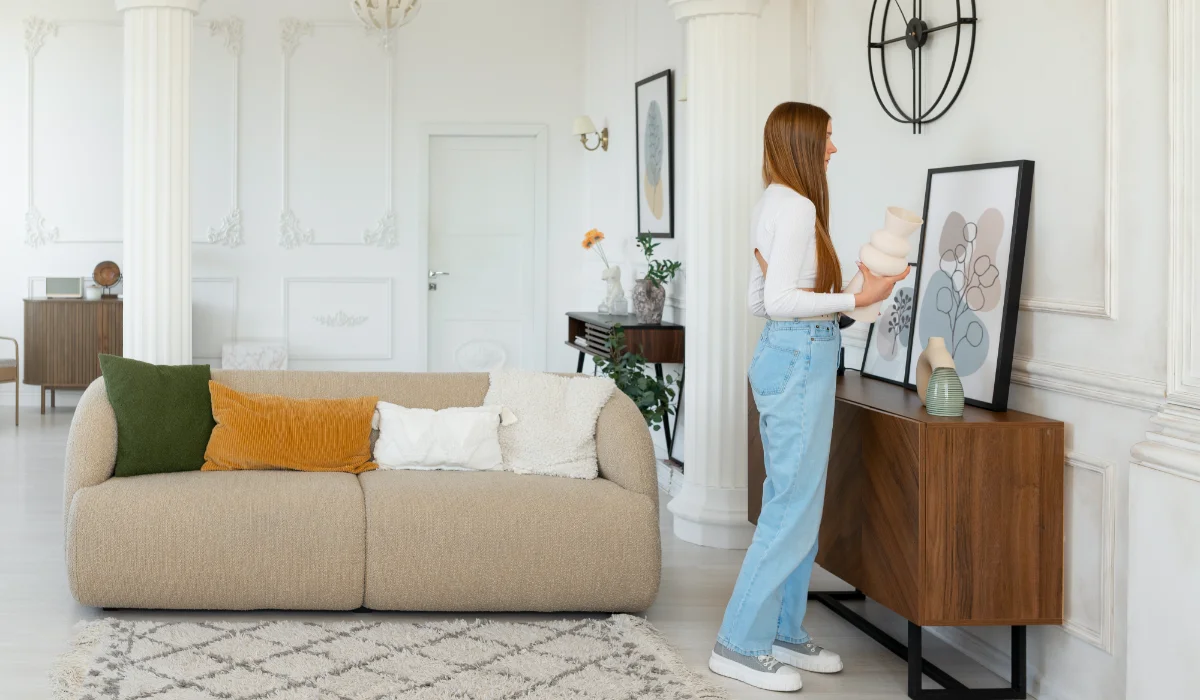
Creating a successful italian living room involves thoughtful planning rather than simply purchasing expensive furniture.
Plan the Layout
Begin by determining how the room will be used. Consider seating arrangements that encourage conversation while maintaining clear pathways.
Furniture should feel intentionally placed rather than randomly positioned throughout the space.
Choose a Cohesive Material Palette
Limit the number of materials to create visual harmony. Combining marble, wood, leather, and metal often produces a balanced and refined result.
Too many competing finishes can make the room feel cluttered.
Create Visual Balance
Balance is a core principle of Italian interior design. Distribute colors, textures, and decorative elements evenly throughout the room.
This approach ensures that no single area dominates the visual composition.
Add Decorative Layers
Once the primary furniture is in place, introduce decorative accessories that add character.
Examples include:
- Framed artwork
- Ceramic vases
- Sculptural objects
- Decorative books
- Textured throws
These finishing touches make the room feel complete and lived-in.
Italian Living Room Ideas for Different Home Sizes
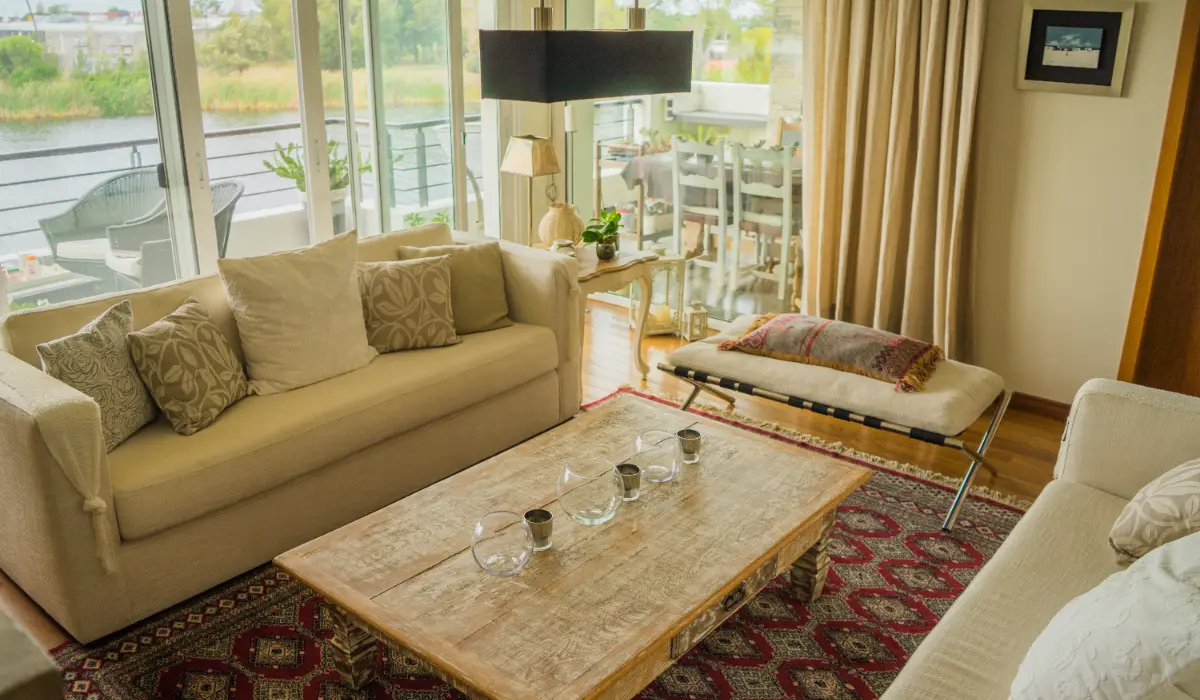
The principles of an italian living room can be adapted to virtually any home size.
Small Apartment Living Rooms
For smaller spaces, prioritize multifunctional furniture and light color palettes. Mirrors can enhance natural light and create the illusion of a larger room.
Avoid oversized furniture that overwhelms the available square footage.
Medium-Sized Family Living Rooms
Medium-sized rooms provide greater flexibility. A sectional sofa, statement lighting fixture, and carefully selected accent pieces can establish a strong Italian-inspired aesthetic.
Layering textures becomes especially important in these spaces.
Large Luxury Living Rooms
Large rooms allow for more dramatic design choices. Multiple seating zones, oversized artwork, and custom furniture can help define the space while preserving visual balance.
Architectural details such as coffered ceilings or stone feature walls further enhance the luxurious atmosphere.
Best Materials Used in Italian Interior Design
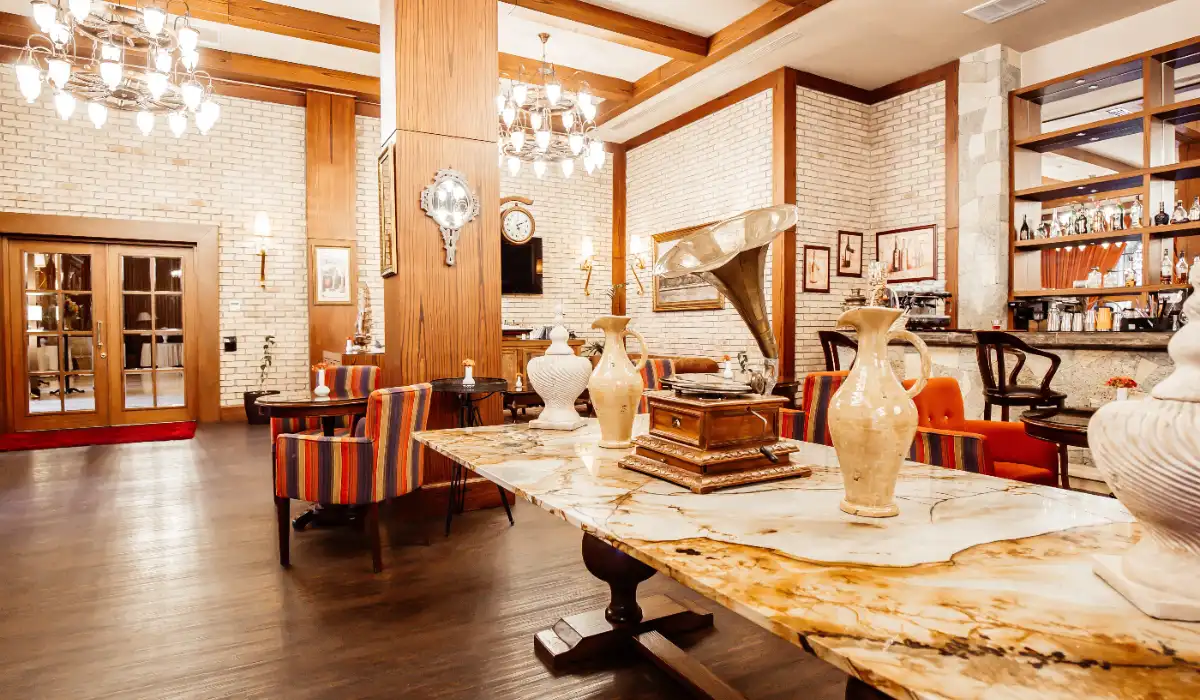
Material selection significantly impacts the overall appearance and durability of an italian living room.
Marble
Marble remains one of the most iconic materials associated with Italian design. Its natural veining adds elegance and uniqueness to coffee tables, flooring, and accent walls.
Natural Wood
Wood introduces warmth and texture while balancing the cooler appearance of stone and metal elements.
Glass
Glass surfaces help maintain an open and airy feeling. They work particularly well in modern Italian interiors where visual lightness is important.
Leather and Velvet
These luxurious fabrics contribute comfort while reinforcing the sophisticated character of the room.
Italian Living Room Decor Ideas
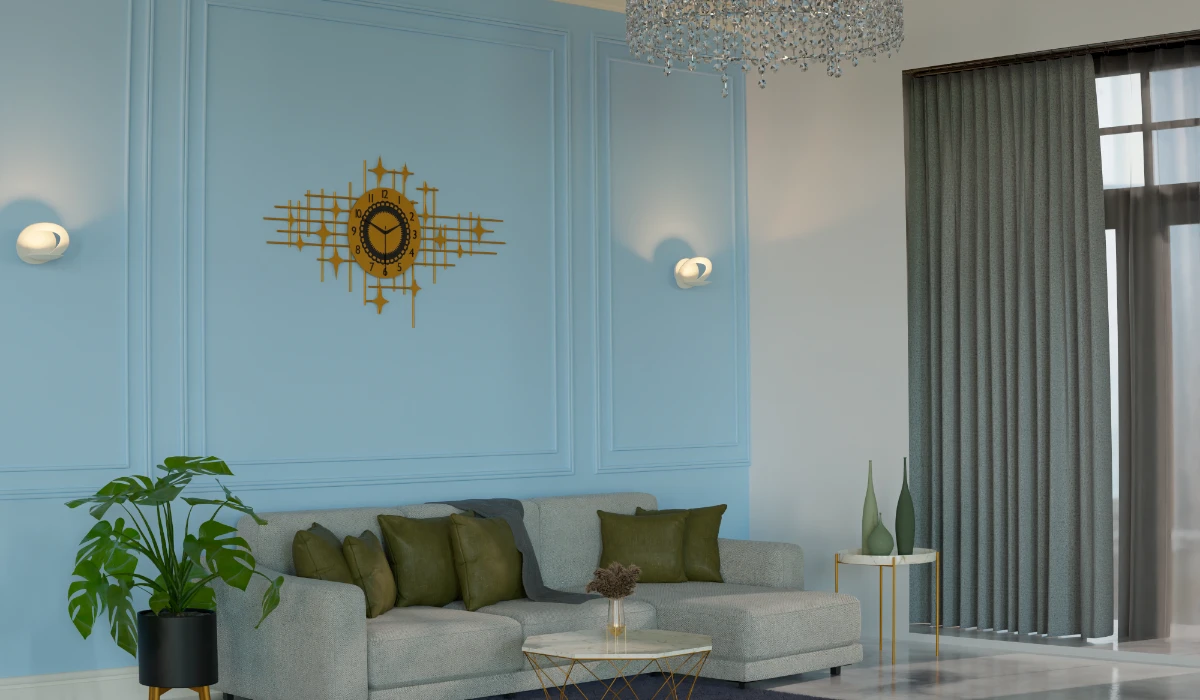
Decorative accessories should enhance the design without creating visual clutter.
Artwork and Mirrors
Large-scale artwork serves as an effective focal point. Mirrors increase light reflection and make spaces appear larger.
Ceramics and Sculptures
Handcrafted ceramics and sculptural accents celebrate Italian craftsmanship while introducing artistic interest.
Indoor Plants
Greenery softens architectural lines and adds natural vibrancy to the room.
Italian Living Room Lighting Ideas
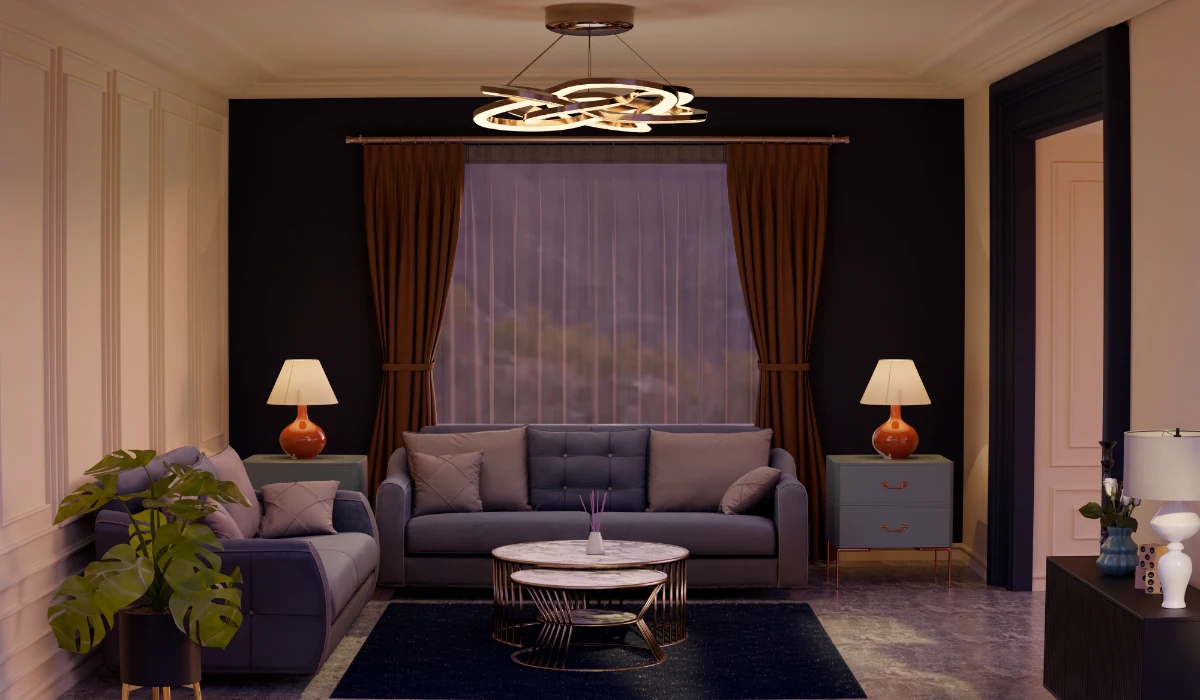
Lighting has a transformative effect on any italian living room.
Chandeliers
A statement chandelier immediately elevates the space and creates a luxurious focal point.
Floor Lamps
Designer floor lamps provide additional illumination while functioning as decorative features.
Layered Lighting Design
The most successful Italian interiors use multiple light sources.
A layered approach typically includes:
- Ambient lighting
- Task lighting
- Accent lighting
This combination creates depth and flexibility throughout the day.
Common Mistakes to Avoid
Many homeowners unintentionally compromise the elegance of an italian living room by making avoidable design mistakes.
Common issues include:
- Overcrowding the room with furniture
- Using too many accent colors
- Ignoring lighting design
- Choosing low-quality materials
- Following trends without considering longevity
Focusing on quality and balance helps prevent these problems.
Pros and Cons of Italian Living Room Design
| Pros | Cons |
| Timeless appearance | Premium materials can be costly |
| Highly functional layouts | Requires careful planning |
| Luxurious yet comfortable | Quality furniture often carries a higher price |
| Adaptable to various home sizes | Some materials need maintenance |
| Strong visual appeal | Custom pieces may have longer lead times |
Budget-Friendly Ways to Create an Italian Living Room
Achieving an Italian-inspired look does not always require a luxury budget.
Practical strategies include:
- Investing in one statement furniture piece
- Using neutral paint colors
- Adding affordable metallic accents
- Incorporating high-quality textiles
- Mixing premium and budget-friendly decor
These techniques can significantly elevate the room while keeping costs manageable.
Italian Living Room Trends for 2026
Several emerging trends are shaping the future of italian living room design.
These include:
- Curved furniture silhouettes
- Sustainable materials
- Natural stone surfaces
- Earth-inspired color palettes
- Integrated smart home technology
- Custom modular furniture systems
These trends maintain the elegance of Italian interiors while responding to modern lifestyle needs.
Frequently Asked Questions
What colors work best in an Italian living room?
Neutral shades such as ivory, beige, taupe, cream, and warm gray form the foundation of most Italian interiors. Jewel-tone accents can add depth and personality.
What furniture is essential for an Italian living room?
A comfortable sofa, accent chairs, coffee table, storage unit, and quality lighting fixtures are considered essential elements.
Is Italian interior design suitable for small spaces?
Yes. By using multifunctional furniture, light colors, and strategic layouts, Italian design principles can work beautifully in smaller homes and apartments.
What materials are commonly used in Italian living rooms?
Marble, wood, glass, leather, velvet, and metal accents are among the most frequently used materials.
How can I make my living room look more Italian?
Focus on quality furniture, balanced layouts, luxurious materials, layered lighting, and a refined color palette. Avoid excessive decoration and prioritize timeless design choices.
Conclusion
An italian living room combines elegance, comfort, and functionality in a way few design styles can match. By incorporating quality furniture, luxurious materials, balanced color palettes, and thoughtful lighting, you can create a space that feels both sophisticated and welcoming.
Whether you prefer a traditional setting rich in character or a sleek modern Italian living room, the key is to focus on craftsmanship, harmony, and timeless appeal. With careful planning and attention to detail, your living room can capture the essence of Italian design while reflecting your personal style.