Kitchen Upgrading Advice Mintpalment for a Better Home
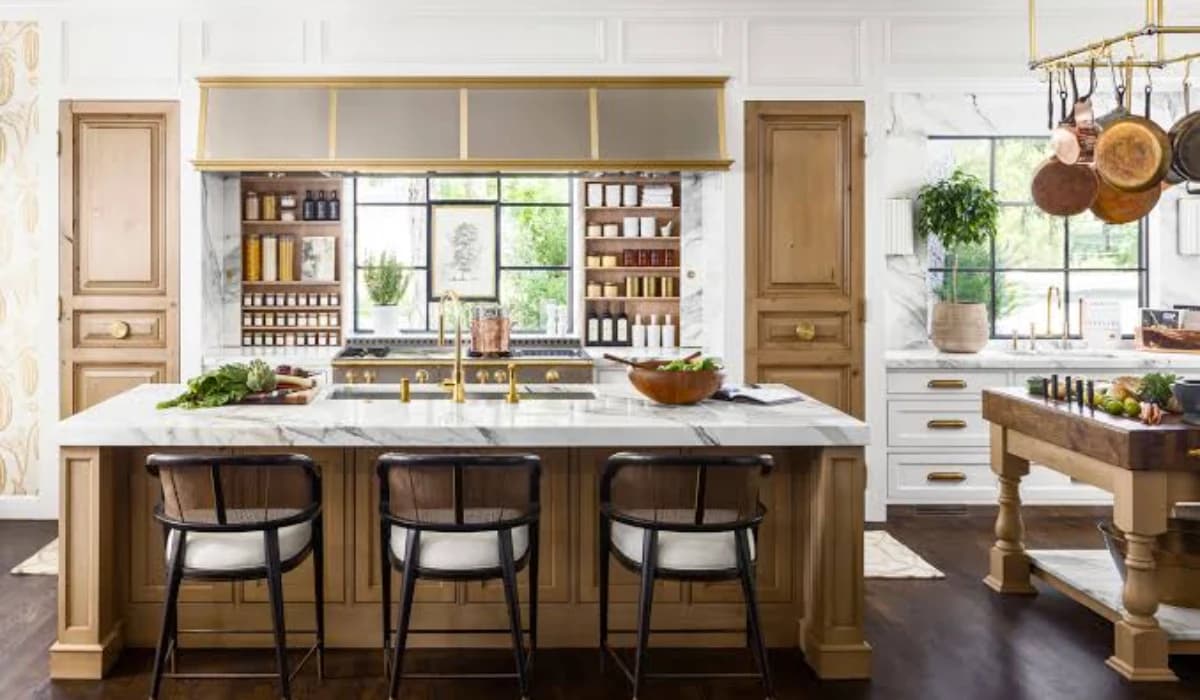
Finding the right kitchen upgrading advice mintpalment can help you improve an outdated or inefficient kitchen without wasting money on changes that provide little practical value. A successful upgrade should make cooking, cleaning, storage, and movement easier while giving the room a fresh and cohesive appearance.
The smartest approach is to evaluate the existing kitchen before purchasing anything. Look at the layout, work surfaces, cabinet condition, lighting, ventilation, appliances, plumbing, electrical requirements, and storage capacity. Once those fundamentals are understood, decorative improvements become easier to choose and more likely to deliver lasting value.
Start With a Kitchen Assessment
Before planning an upgrade, identify exactly what is wrong with the existing space. A kitchen may look dated because of its finishes while functioning perfectly, or it may look acceptable while suffering from poor storage and an inefficient workflow.
Walk through your normal cooking routine and note where problems occur. If you repeatedly cross the room for ingredients, struggle to find cookware, work in shadows, or lack a convenient preparation surface, those issues should influence your renovation priorities.
Inspect the Existing Components
Check cabinets for loose hinges, swollen panels, damaged shelves, and worn drawer mechanisms. Examine countertops for cracks or water damage, and inspect the sink, faucet, outlets, lighting, and appliances for functional problems.
This inspection helps separate necessary upgrades from cosmetic improvements Mintpalment .Keeping components that are still structurally sound can free money for improvements that have a greater effect on daily use.
Set Priorities Before Setting a Shopping List
A useful priority system is:
- Safety and structural issues
- Plumbing and electrical requirements
- Workflow and layout
- Storage and organization
- Lighting and ventilation
- Durable surfaces and fixtures
- Color and decorative details
This prevents the common mistake of spending most of the budget on appearance before addressing the systems underneath.
Improve the Kitchen Layout Before Changing Its Style
Among the most useful kitchen upgrading advice mintpalment principles is to improve function before focusing on appearance. A kitchen should allow ingredients, cookware, appliances, and people to move through the space without unnecessary obstacles.
Think about the sequence of preparing a meal. Food normally moves from storage to preparation and then to cooking, while used dishes move toward the cleaning area. Your layout should support these activities rather than forcing unnecessary back-and-forth movement.
Create Practical Work Zones
Divide the kitchen into functional zones based on your habits. Typical zones include food storage, preparation, cooking, cleaning, serving, and small-appliance storage.
The boundaries do not need to be physical walls. They simply help you determine where frequently used equipment and ingredients should be located.
Protect Circulation Paths
Measure walking routes before adding an island, trolley, extra cabinet, or large appliance. Cabinet doors and drawers also need enough clearance to open without blocking another work area.
A visually attractive kitchen can become difficult to use if furniture and fixtures reduce usable circulation. Space should therefore be evaluated in three dimensions, not just from a floor-plan perspective.
Upgrade Cabinets Without Automatically Replacing Them
Cabinets often dominate the visual appearance of a kitchen, but replacing an entire cabinet system is not always necessary. If the cabinet boxes remain solid and the basic arrangement works, refinishing can provide a substantial improvement.
Painting cabinet fronts, replacing handles, adjusting hinges, and adding internal organizers can change both appearance and usability. This is particularly useful when the kitchen has good-quality cabinetry that simply looks dated.
Improve Cabinet Hardware
Cabinet hardware should be selected according to both appearance and frequency of use. Handles and drawer pulls receive repeated physical contact, so construction quality matters as much as finish.
Before ordering new hardware, measure the distance between existing mounting holes. Matching the dimensions can simplify installation and avoid unnecessary drilling or cabinet repairs.
Upgrade Cabinet Interiors
The inside of a cabinet deserves as much attention as its exterior. Deep shelves can become inefficient when items at the back are difficult to reach.
Consider pull-out trays, drawer dividers, vertical sheet-pan storage, shelf risers, and adjustable organizers. These improvements increase usable capacity without necessarily increasing the number of cabinets.
Make Storage More Efficient
A kitchen with sufficient storage can still feel disorganized if the available space is poorly allocated. The goal is to keep frequently used items accessible while moving rarely used objects into less convenient areas.
Store cookware near the cooking zone, preparation tools near the main work surface, and cleaning supplies close to the sink where appropriate. This reduces unnecessary movement and makes the room easier to maintain.
Use Vertical Storage Carefully
Walls can provide useful storage for frequently used tools, but excessive open storage can create visual clutter. Select only the items that benefit from being easily accessible.
Narrow shelves, rails, hooks, and vertical dividers can be useful when they are integrated into the overall design rather than added randomly.
Organize Drawers by Function
A drawer becomes more useful when its contents have a defined purpose. Separate utensils, cooking tools, measuring equipment, and miscellaneous items rather than allowing everything to accumulate together.
Drawer organizers are particularly effective because they reduce wasted space and make individual items easier to locate.
Improve Kitchen Lighting
Lighting should be treated as a functional system rather than an afterthought. A single overhead fixture may illuminate the room while leaving the countertop where you actually work too dark.
A layered approach combines general illumination with task and accent lighting. Under-cabinet lighting is especially useful for reducing shadows across preparation surfaces.
Choose Task Lighting for Work Areas
Place task lighting where activities occur rather than simply where the ceiling allows a fixture to be installed. Preparation counters, sinks, cooktops, and reading areas may require different lighting positions.
LED lighting is popular for kitchen upgrades because it can provide efficient illumination in compact fixtures. Select suitable color quality and brightness for the intended task rather than choosing solely by appearance.
Consider Natural Light
Observe the kitchen at different times of day before finalizing paint, backsplash, and cabinet colors. Sunlight can dramatically change how a finish appears.
Window treatments should also balance privacy and daylight. Blocking too much natural light can make an otherwise attractive kitchen feel darker.
Upgrade the Countertop According to Your Lifestyle
Countertops receive constant contact with food, cookware, water, cleaning products, and appliances. The ideal surface therefore depends on how the kitchen is actually used.
Consider stain resistance, heat exposure, scratching, maintenance requirements, moisture, edge design, and the amount of preparation space available. A visually impressive material may not be the best choice if its maintenance requirements conflict with your routine.
Create Enough Preparation Space
Try to preserve a substantial uninterrupted work surface. Small decorative appliances can gradually consume valuable preparation space if they remain permanently on the counter.
Store appliances that are used occasionally and keep only the equipment that genuinely benefits from being immediately accessible.
Refresh the Backsplash
A backsplash can protect walls while also connecting the major design elements of the kitchen. It should work visually with the cabinets, countertop, flooring, and lighting rather than being selected independently.
Material selection also matters around cooking and cleaning areas. Smooth and appropriately sealed surfaces are generally easier to maintain than finishes with numerous difficult-to-clean recesses.
Choose the Right Backsplash Scale
Large patterns can become overwhelming in compact kitchens, while very small repetitive patterns may create excessive visual activity. Consider the size of the wall and the amount of existing pattern in the room.
If the countertop already has strong movement, a quieter backsplash can create better balance. Conversely, a simple countertop may provide an opportunity for more visual interest on the wall.
Improve the Sink and Faucet
The sink is one of the hardest-working areas of a kitchen. A practical upgrade should consider bowl size, depth, faucet reach, spray functionality, drainage, and compatibility with existing plumbing.
Before purchasing a replacement faucet, verify the mounting-hole configuration and water connection requirements. A product that looks ideal may require additional modifications if it does not match the existing installation.
Think About Daily Cleaning
A sink should be easy to rinse and clean, especially in households where it is used continuously throughout the day. The surrounding countertop should also allow enough landing space for dishes and food preparation.
A well-planned sink area can reduce small frustrations that accumulate during everyday kitchen use.
Upgrade Ventilation and Airflow
Ventilation is one of the less visible but more important parts of a kitchen upgrade. Cooking releases heat, moisture, odors, grease particles, and combustion byproducts depending on the equipment being used.
A suitable range hood or ventilation system should be selected according to the cooking equipment, installation configuration, and manufacturer's requirements. Duct routing also matters because restrictions and poor installation can reduce ventilation performance.
Maintain Filters and Ductwork
Even an appropriately selected hood becomes less effective when filters are neglected. Follow the manufacturer's cleaning or replacement schedule.
If a ventilation system is being replaced, consider accessibility for future maintenance before final installation.
Select Appliances Based on Actual Needs
Replacing every appliance can quickly consume a renovation budget. Instead, identify which appliances create genuine problems and prioritize those.
A refrigerator with inadequate capacity, an oven with unreliable temperature control, or a dishwasher that performs poorly may justify replacement. A perfectly functional appliance does not necessarily need to be replaced merely because another model looks more modern.
Measure Appliance Openings
Always verify the physical dimensions before ordering an appliance. Check width, height, depth, door swing, ventilation clearance, electrical connections, and plumbing requirements where applicable.
Also consider how the appliance interacts with nearby cabinets and work surfaces. A technically compatible appliance can still create an awkward workflow if its door blocks an important path.
Use Color to Modernize the Kitchen
Color can produce a major visual change without requiring structural work. However, paint should be selected after considering fixed materials such as flooring, countertops, backsplash, and existing cabinetry.
Test samples in the actual room rather than relying only on digital images or store lighting. Different light sources can significantly change perceived color.
Build a Coordinated Palette
Choose a dominant tone and supporting shades rather than selecting every finish independently. Repeating a material, color, or metal finish in several locations can create visual continuity.
Avoid using too many competing accent colors. A controlled palette generally makes a kitchen feel more intentional and easier to update later.
Consider an Island Only When Space Allows
An island can provide preparation space, storage, seating, and a central gathering point. But an island that is too large for the room can reduce circulation and make the kitchen harder to use.
Before installation, mark the proposed island footprint on the floor with tape. Walk around it while opening nearby cabinet doors and appliances to determine whether the arrangement actually works.
Give the Island a Clear Purpose
An island should perform at least one useful function. Depending on the kitchen, that could mean additional preparation space, storage, seating, or a dedicated cooking or cleaning area.
Avoid adding an island simply because it appears in attractive kitchen photographs. The correct decision depends on the dimensions and workflow of your specific room.
Make a Small Kitchen Feel Larger
Small kitchens benefit from careful editing. Too many large objects, contrasting finishes, and decorative pieces can make the available space feel even smaller.
Use appropriately scaled furniture, keep important work surfaces clear, and prioritize storage solutions that use vertical or otherwise overlooked areas.
Reduce Visual Obstacles
Consistent cabinet finishes and fewer exposed objects can create a cleaner visual field. Good lighting can also help prevent dark corners from making the room feel compressed.
Reflective materials may contribute to a more open visual effect, but they should be used selectively because excessive gloss can introduce glare and increase visible fingerprints.
Choose Materials for Durability
The kitchen environment is demanding. Heat, moisture, impacts, spills, grease, cleaning chemicals, and repeated use can shorten the life of unsuitable materials.
For this reason, durability should be evaluated alongside style. Ask how a surface will age, how it should be cleaned, whether it requires sealing, and how easily damaged sections can be repaired.
Spend More on High-Use Components
If your budget is limited, prioritize items that receive frequent physical contact or are expensive to replace later. Examples include drawer mechanisms, hinges, faucets, work surfaces, lighting components, and heavily used appliances.
Decorative accessories can usually be upgraded later, making them a lower priority during the initial improvement.
Add Technology Where It Provides Real Value
Smart technology can make certain kitchen tasks more convenient, but technology should solve a genuine problem rather than simply increase the number of connected devices.
Smart lighting, energy monitoring, appliance controls, and touchless fixtures can be useful in appropriate situations. Before installing anything, consider reliability, maintenance, compatibility, and whether manual operation remains available.
Keep Technology Easy to Use
A kitchen should remain functional even if a connected device loses power or an app becomes unavailable. Critical functions should not depend entirely on complicated digital controls.
Simple technology that works consistently is often more useful than an elaborate system with features that are rarely used.
Plan Electrical and Plumbing Changes Early
Electrical and plumbing work should be considered before cosmetic finishes are installed. Moving an outlet, relocating a sink, or changing an appliance connection can affect cabinets, walls, countertops, and backsplash installation.
Create a plan showing existing and proposed outlets, switches, appliances, water connections, drainage, and lighting points. Electrical work should be performed according to applicable local codes by a qualified professional where required.
Avoid Last-Minute Changes
Late changes often create additional labor and material costs. They can also force newly installed surfaces to be removed or modified.
Finalize the functional layout first, then coordinate electrical, plumbing, cabinetry, lighting, and finish installation around that plan.
Kitchen Upgrades: What to Keep and What to Replace
| Kitchen Component | Keep It When | Consider Upgrading When |
| Cabinets | Boxes are solid and layout works | Damaged, poorly arranged, or severely outdated |
| Countertop | Surface remains durable and functional | Cracked, damaged, or inadequate for use |
| Appliances | Reliable and suitable | Inefficient, failing, or poorly sized |
| Faucet | Good reach and condition | Leaking, awkward, or incompatible with needs |
| Lighting | Adequate and well-positioned | Work areas remain dark |
| Storage | Items are accessible | Cabinets contain significant wasted space |
| Backsplash | Easy to clean and intact | Damaged or unsuitable for the cooking area |
| Hardware | Secure and functional | Worn, loose, or visually outdated |
This approach prevents unnecessary replacement and helps direct the budget toward improvements that provide measurable benefits.
Common Kitchen Upgrade Mistakes
Even carefully chosen products can fail to improve a kitchen if the planning process is weak. The most common problems usually involve purchasing before measuring, ignoring workflow, and focusing too heavily on appearance.
Buying Before Measuring
Always measure the room and access routes before purchasing large furniture, appliances, or cabinetry. Delivery paths matter too because a product that fits the kitchen may not fit through the entrance or hallway.
Ignoring Maintenance
Consider how each surface will be cleaned before installation. A material that requires specialized maintenance may become inconvenient when used in a high-traffic family kitchen.
Overloading the Design
Too many finishes, patterns, accessories, and statement pieces can compete for attention. A cohesive kitchen usually benefits from repetition, controlled contrast, and enough negative space.
A Practical Kitchen Upgrade Sequence
One of the most useful kitchen upgrading advice mintpalment strategies is to complete improvements in the correct order. This minimizes the chance of damaging finished work or paying twice for the same installation.
Phase 1: Planning
Measure the room, identify problems, establish priorities, and create a realistic budget. Photograph existing utilities and note anything that cannot easily be moved.
Phase 2: Infrastructure
Address electrical, plumbing, ventilation, structural, and safety requirements before installing finished surfaces.
Phase 3: Major Components
Install or refinish cabinets, prepare countertops, position appliances, and complete required storage modifications.
Phase 4: Finishing
Install lighting fixtures, backsplash materials, hardware, paint, accessories, and organizational elements after the major work is complete.
How to Control the Upgrade Budget
A good kitchen upgrade advice Mintpalment budget should include more than the purchase price of visible products. Installation, delivery, electrical work, plumbing, disposal, hardware, finishing materials, and unexpected repairs can all affect the final cost.
Keep a contingency amount for unforeseen problems, particularly in older kitchens where hidden water damage, outdated wiring, or deteriorated materials may appear after work begins.
Spend According to Impact
Prioritize upgrades that improve something you interact with every day. A better drawer system may provide more practical value than an expensive decorative object because it improves the kitchen every time the drawer is opened.
The same principle applies to lighting, ventilation, work surfaces, faucets, and frequently used appliances.
How to Know When a Professional Is Needed
Some kitchen improvements are suitable for experienced DIY homeowners, while others require specialist knowledge. Cosmetic work such as painting or hardware replacement is generally simpler than electrical, gas, structural, or major plumbing modifications.
If an upgrade involves significant electrical changes, gas connections, structural alterations, or complex plumbing, use appropriately qualified professionals and follow local regulations.
Get the Technical Details Right
Professional input is especially valuable when changing walls, relocating major appliances, modifying ventilation, or redesigning utility connections. Correct planning can prevent safety problems and costly rework.
The goal is not to outsource every decision. Instead, use professional expertise where technical accuracy matters most.
Frequently Asked Questions
What are the best kitchen upgrading advice mintpalment ideas for an older kitchen?
Start by evaluating the layout, cabinets, lighting, storage, appliances, ventilation, and work surfaces. If the basic structure remains sound, targeted improvements such as cabinet refinishing, better lighting, storage organizers, new hardware, and fixture upgrades can provide substantial results.
Should I upgrade my cabinets or replace them?
Keep and refinish cabinets when the boxes are structurally sound and the layout meets your needs. Replacement makes more sense when the cabinetry is damaged, poorly configured, or unable to provide sufficient storage.
What should I upgrade first in a kitchen?
Address safety, structural, plumbing, electrical, and workflow problems first. Once those areas are stable, focus on storage, lighting, ventilation, surfaces, appliances, and finally decorative improvements.
How can I upgrade my kitchen without spending too much?
Keep components that still work and concentrate your budget on high-impact improvements. Cabinet hardware, lighting, storage organization, paint, faucet upgrades, and carefully selected finishes can change a kitchen without requiring a complete renovation.
Is kitchen lighting really important?
Yes. Lighting affects visibility, safety, task performance, atmosphere, and how colors and materials appear. Combining general illumination with task lighting can make the kitchen substantially more functional.
What is the biggest kitchen upgrade mistake?
One of the biggest mistakes is purchasing products before understanding the layout and measurements. This can lead to incompatible appliances, blocked circulation, insufficient clearance, and expensive changes later.
Should a small kitchen have an island?
Only if there is enough space for comfortable circulation and the island provides meaningful functionality. A poorly sized island can reduce usable workspace rather than improving it.
How can I make my kitchen look more modern?
Start with a coordinated palette, cleaner storage, appropriate lighting, updated hardware, and carefully selected fixtures. Modern appearance usually comes from consistency and proportion rather than adding numerous trendy features.
Is it worth upgrading kitchen storage?
Yes, especially when existing cabinets contain significant unused or inaccessible space. Drawer dividers, pull-outs, vertical storage, shelf inserts, and better zoning can increase practical capacity without expanding the kitchen.
Conclusion
The best kitchen upgrading advice mintpalment is to treat your kitchen as a complete working system rather than a collection of decorative products. Start with how you cook, clean, store, move, and live in the room, then improve the elements that create the greatest daily benefit.
Measure before buying, preserve components that remain useful, and prioritize workflow, storage, lighting, ventilation, durability, and safety before decorative details. With a clear plan and carefully selected improvements, even an older kitchen can become more efficient, comfortable, organized, and visually appealing without unnecessary spending.